While visiting Jordan before coming back to Texas, we came across a portion of the gravesite that was covered in tall grass at the same cemetery where Jordan is.
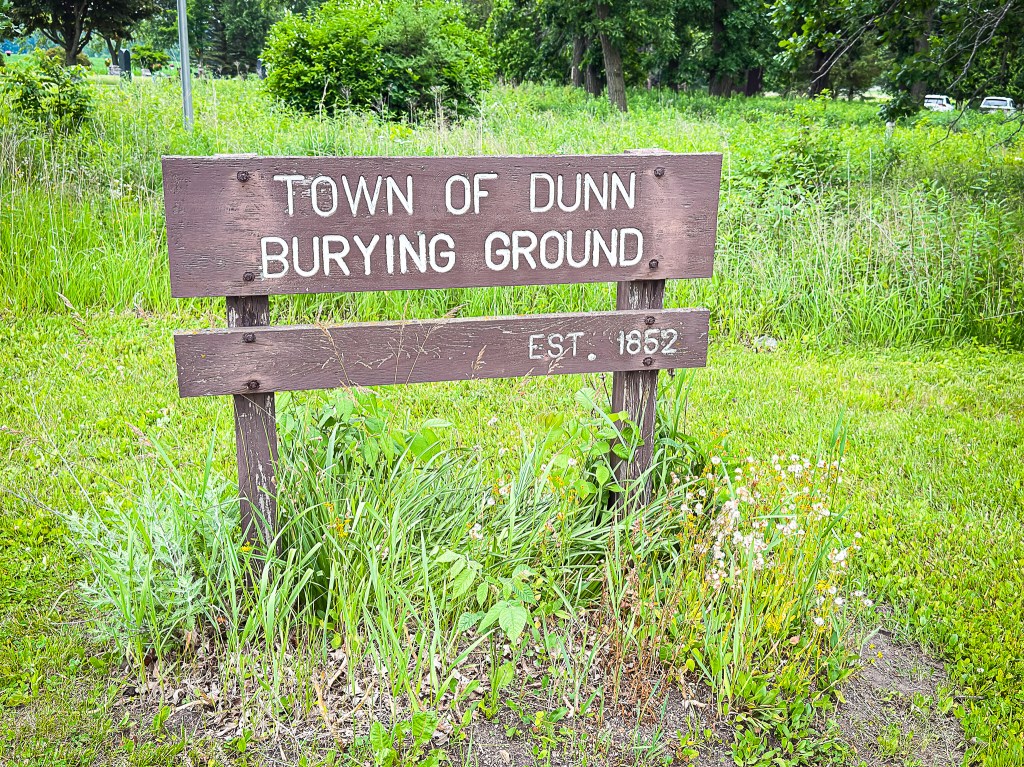
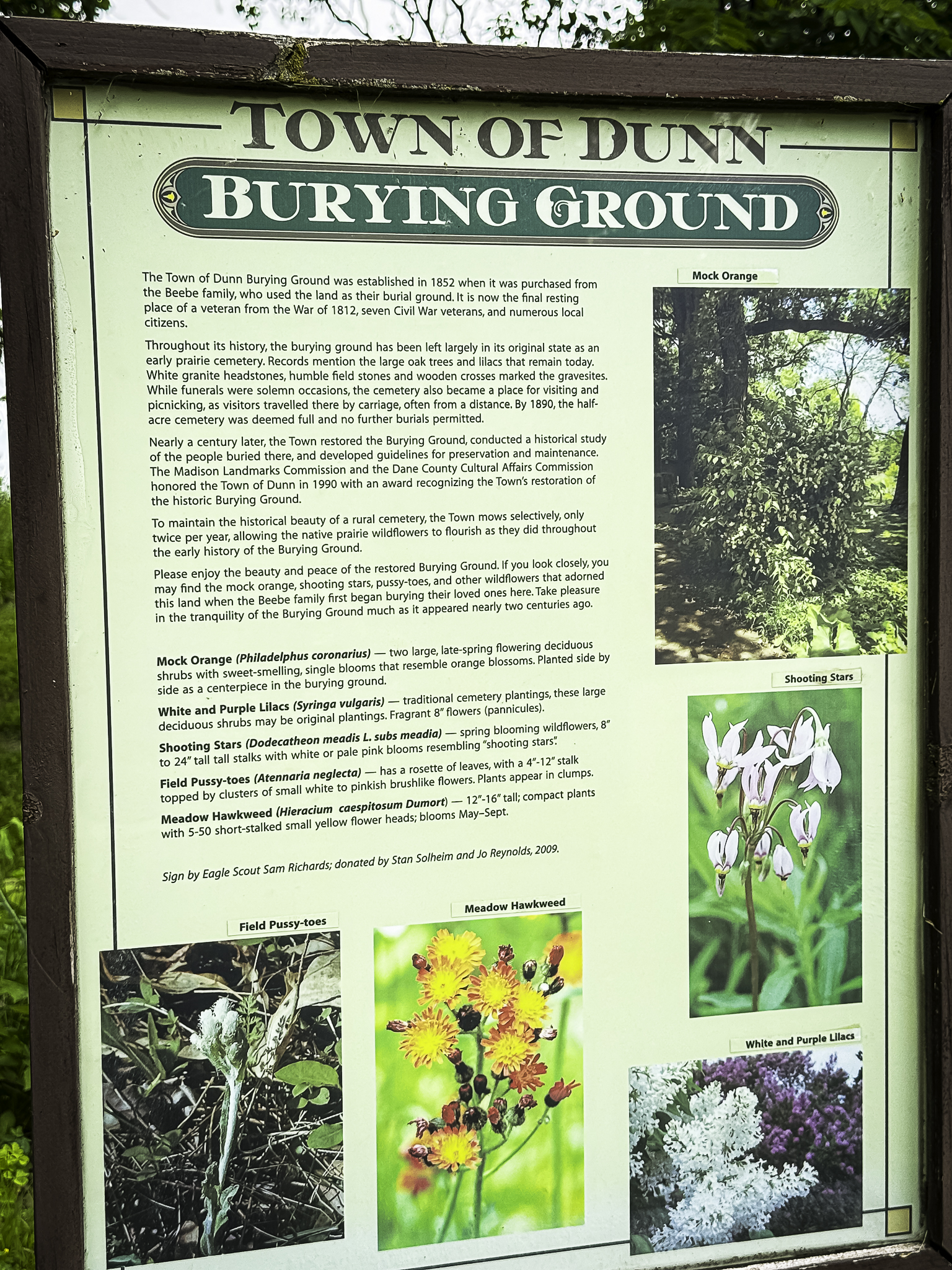
The Town of Dunn is nestled at the corner of County Road B and Sand Hill Road in Dane County, Wisconsin. A simple hand-painted sign proclaims “Est. 1852,” and around its base, native mock orange, shooting stars, pussy-toes, and meadow hawkweed still bloom freely. The town mows this original half-acre only twice a year, allowing the grasses to grow tall and the wildflowers to reseed themselves exactly as they did when Samuel Beebe and his fellow settlers first laid our family plots.
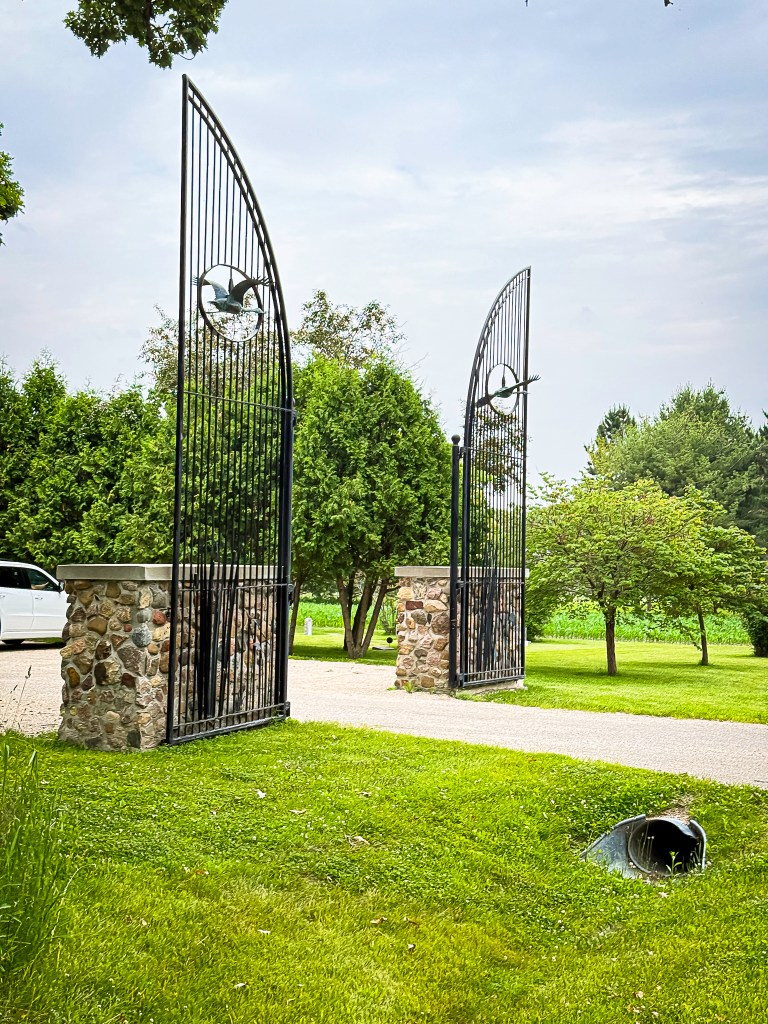
From the moment you pass into its wrought-iron gates – adorned with soaring bird motifs – you are transported back to mid-19th century pioneer life.

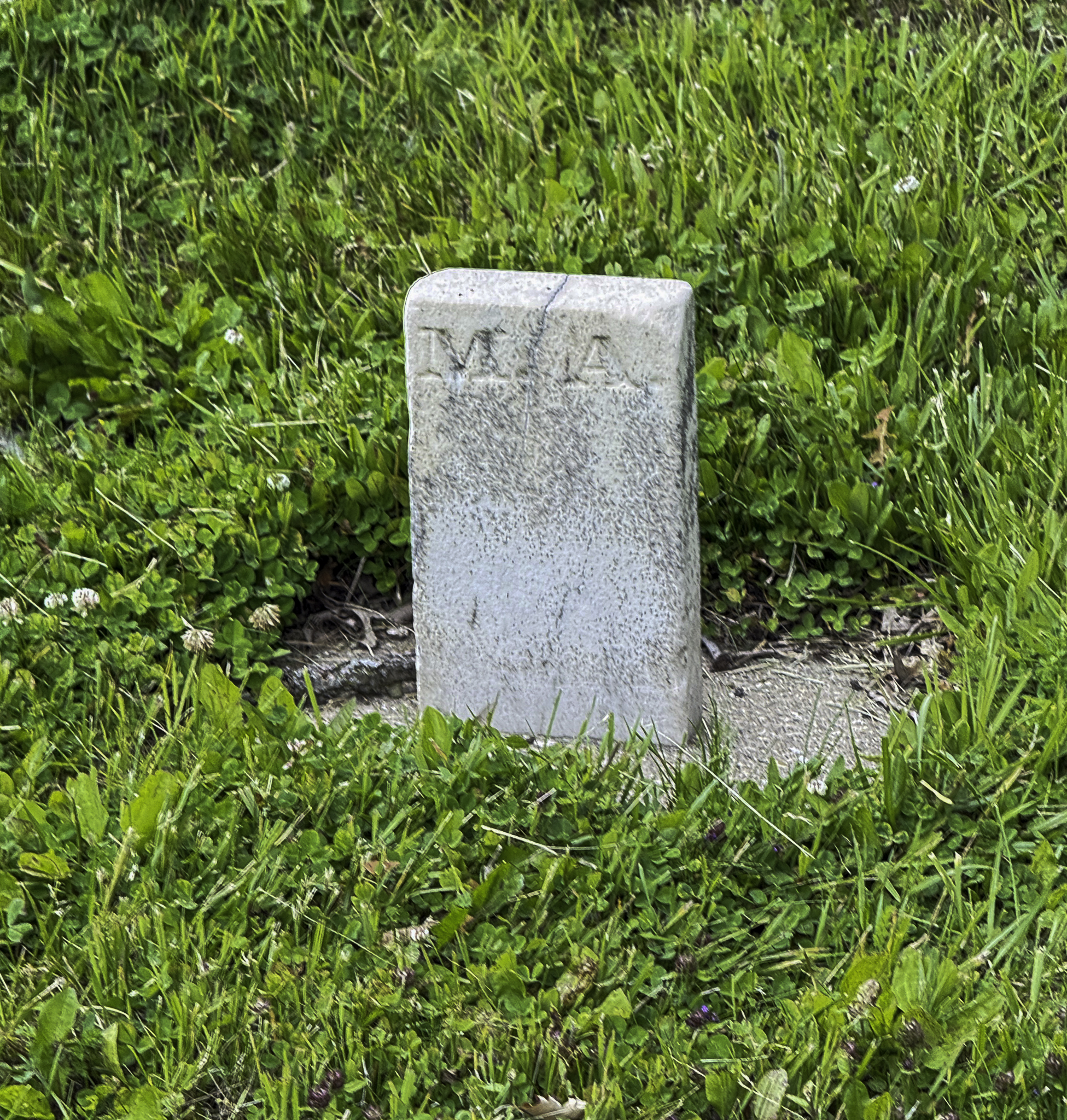
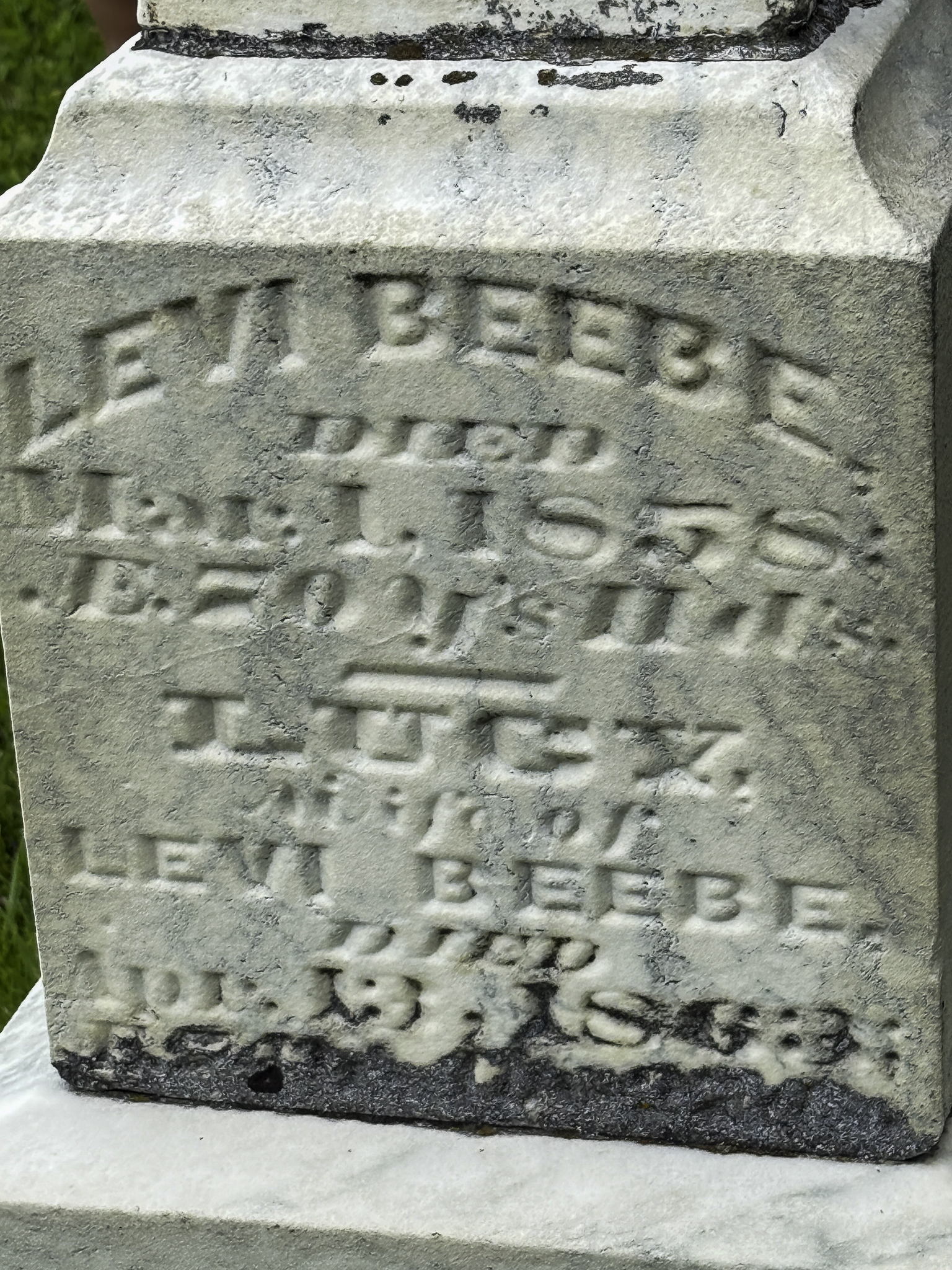
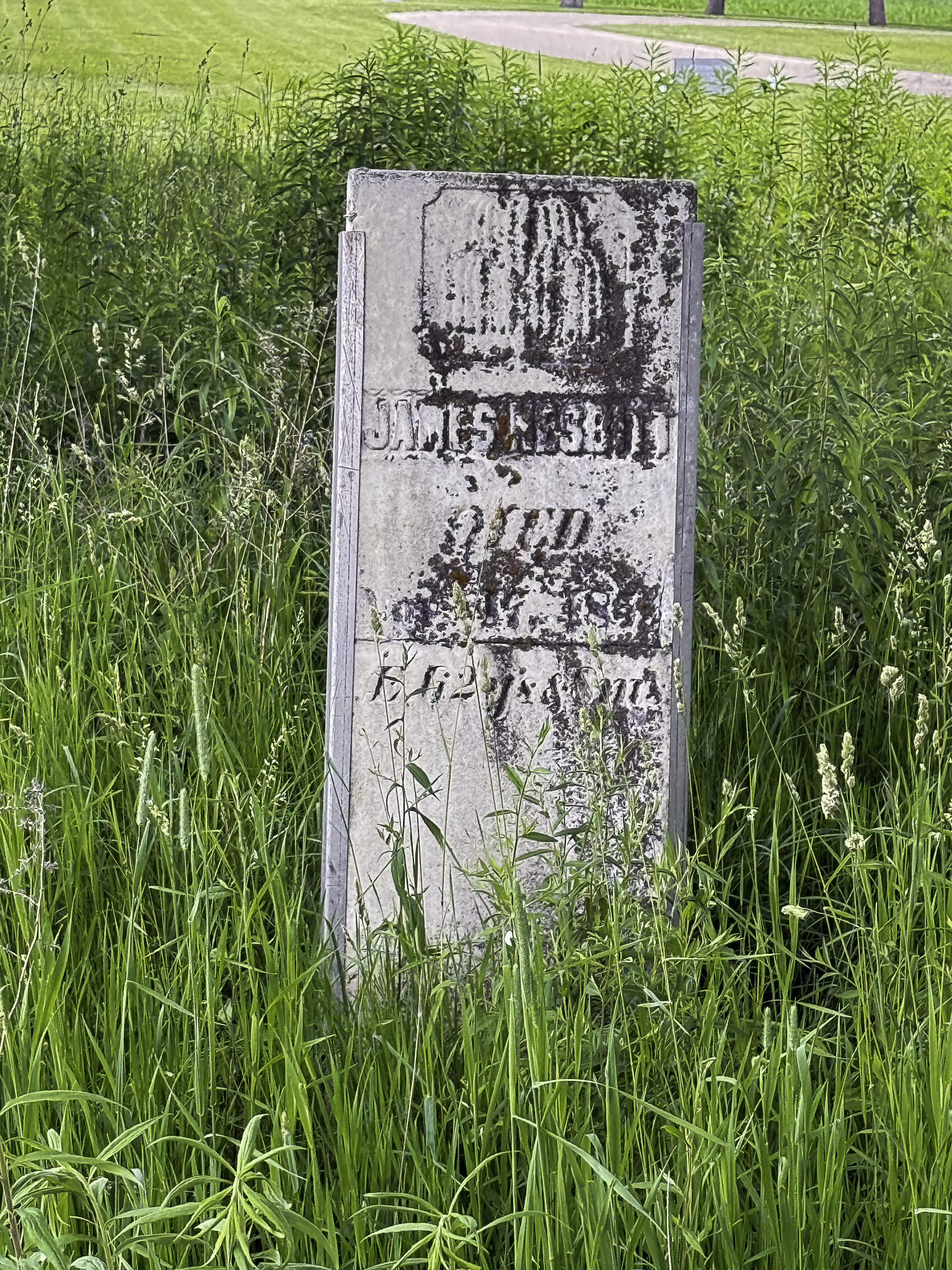
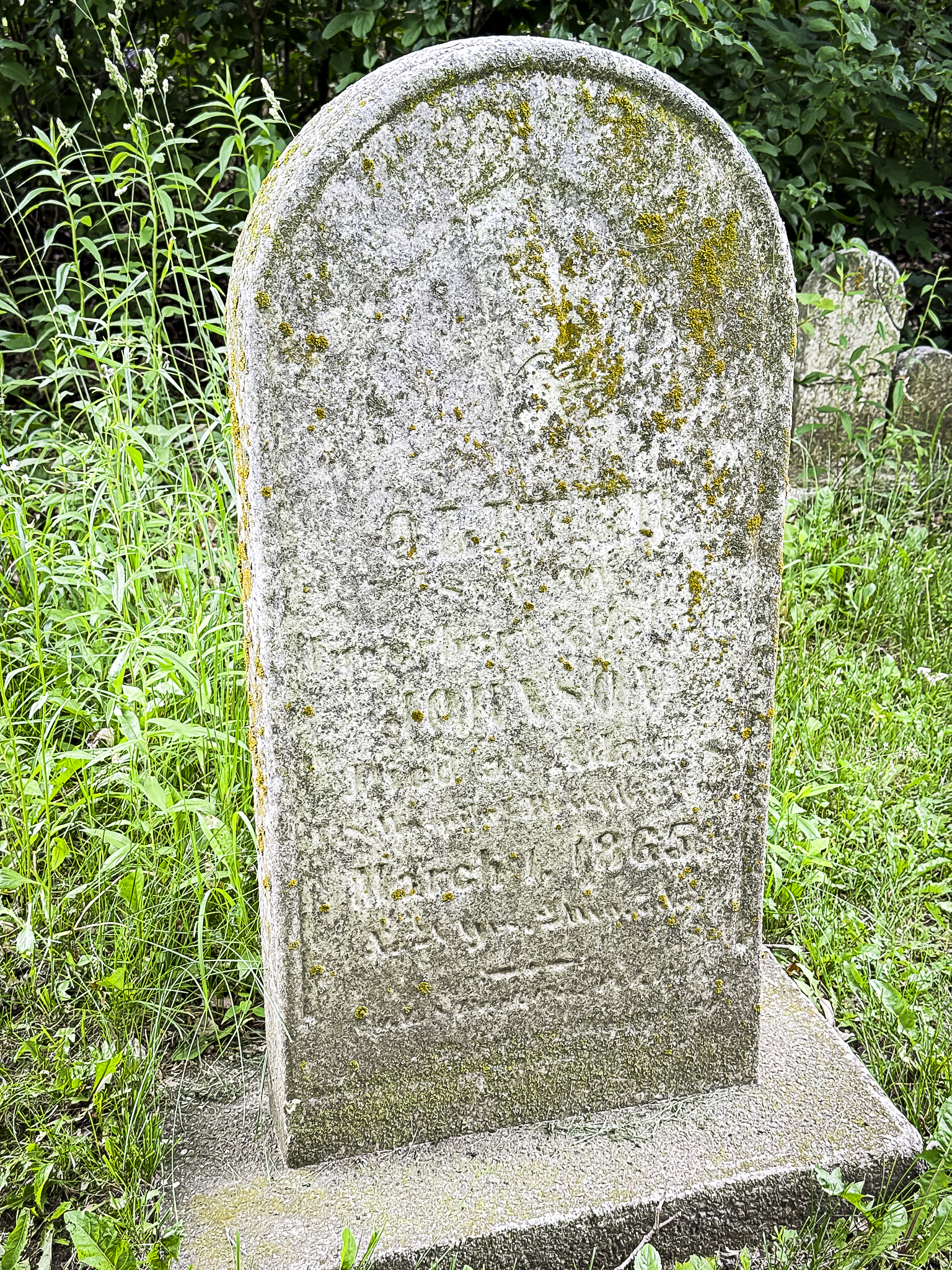
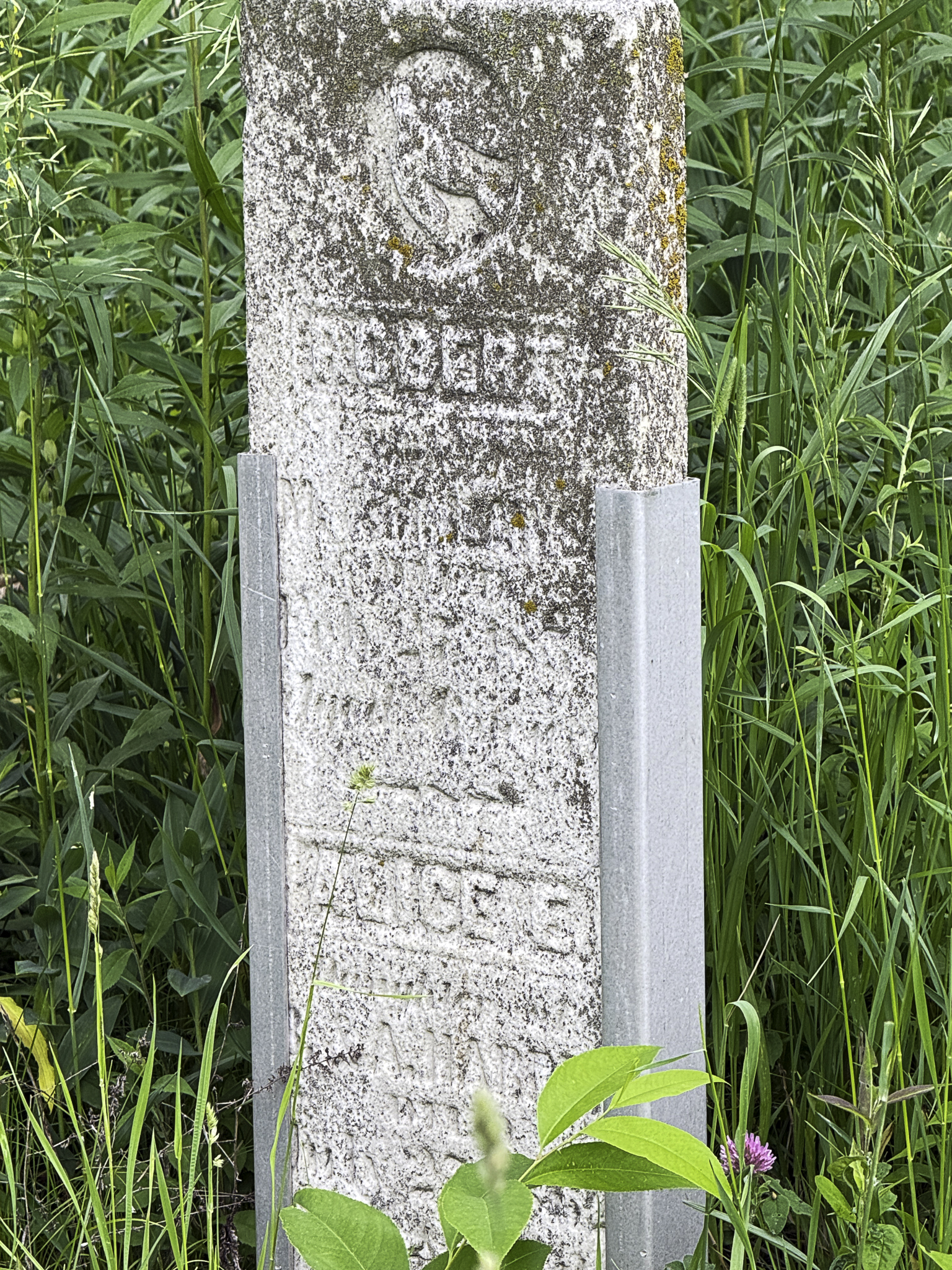
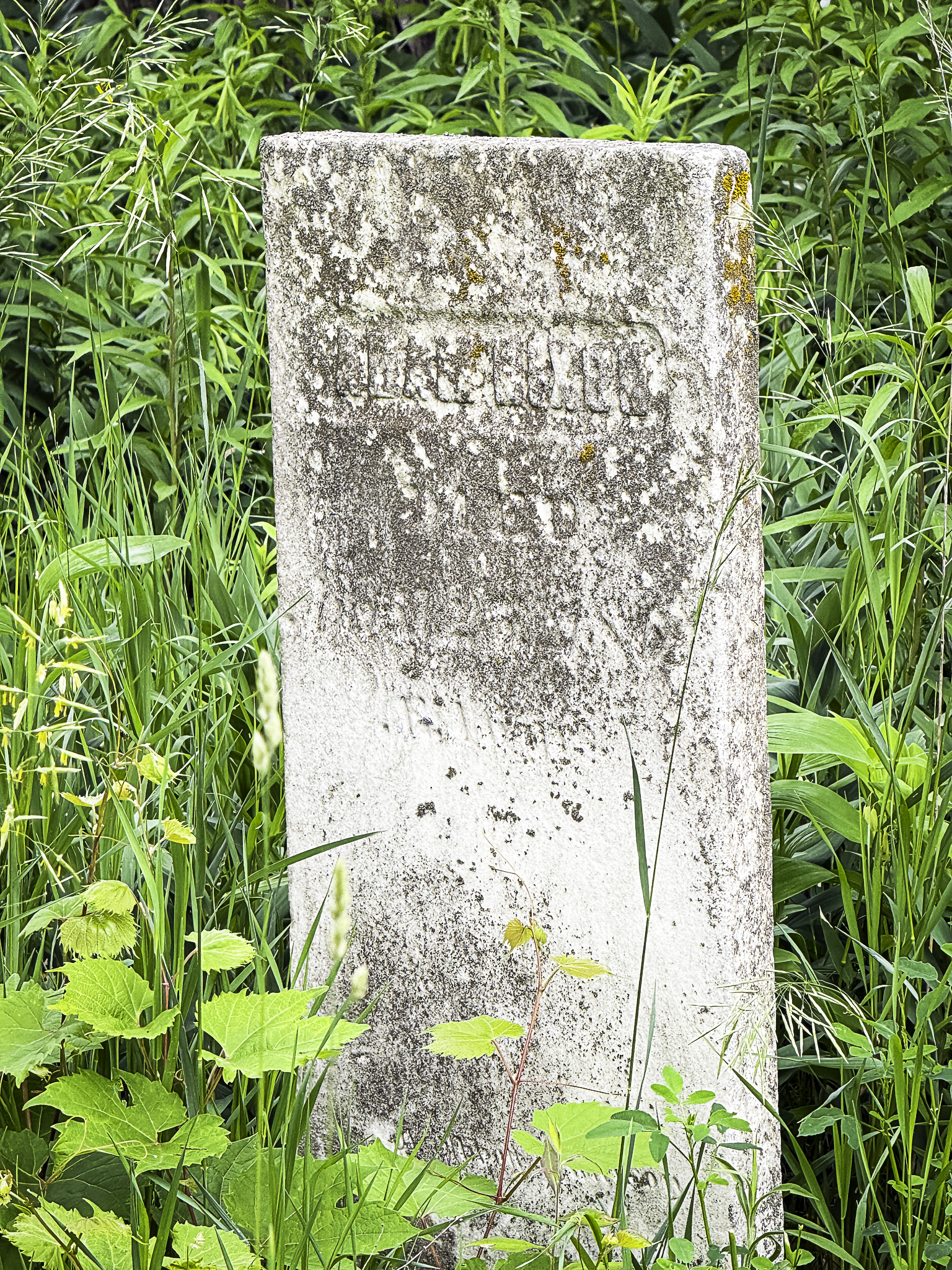
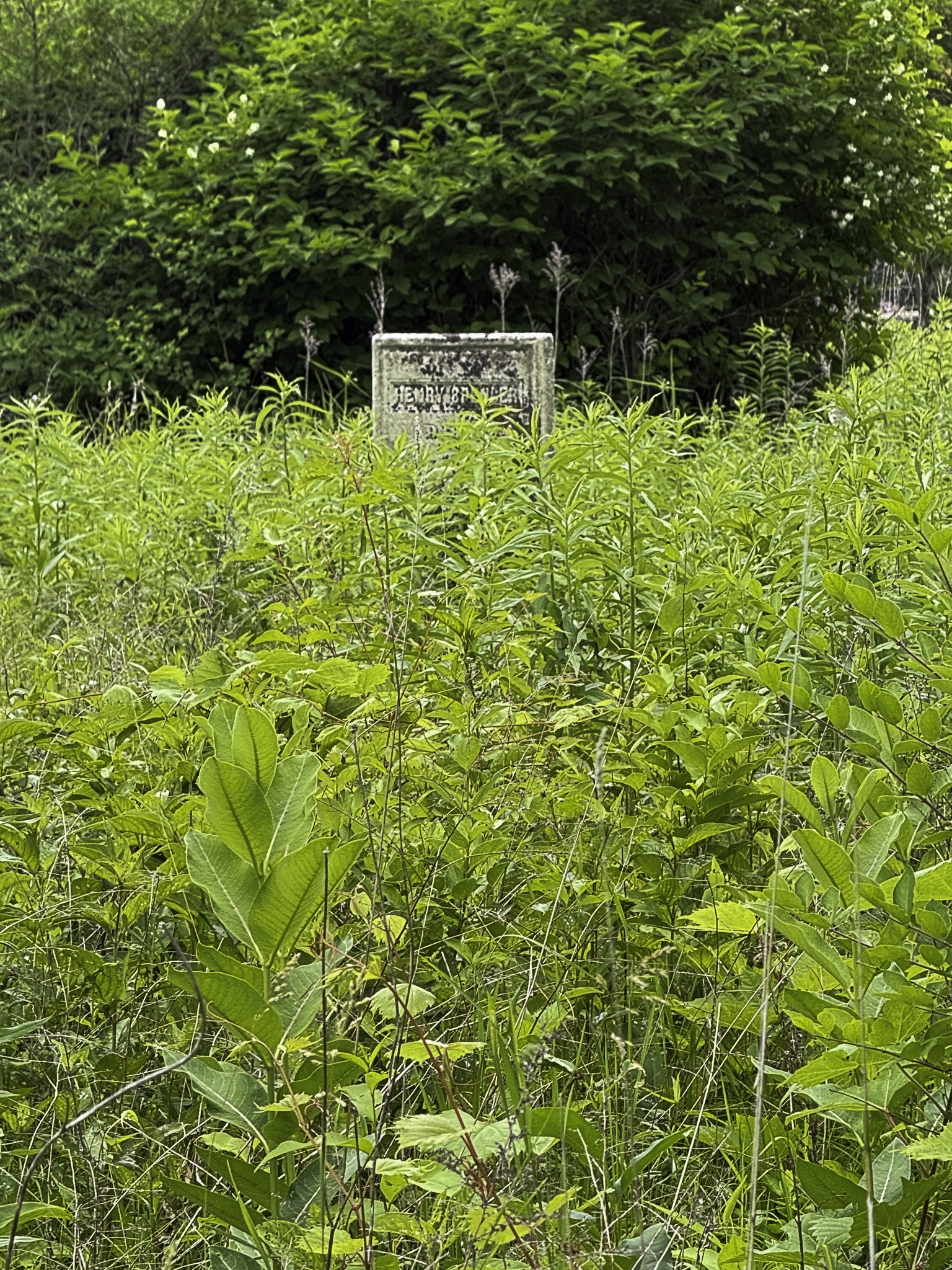
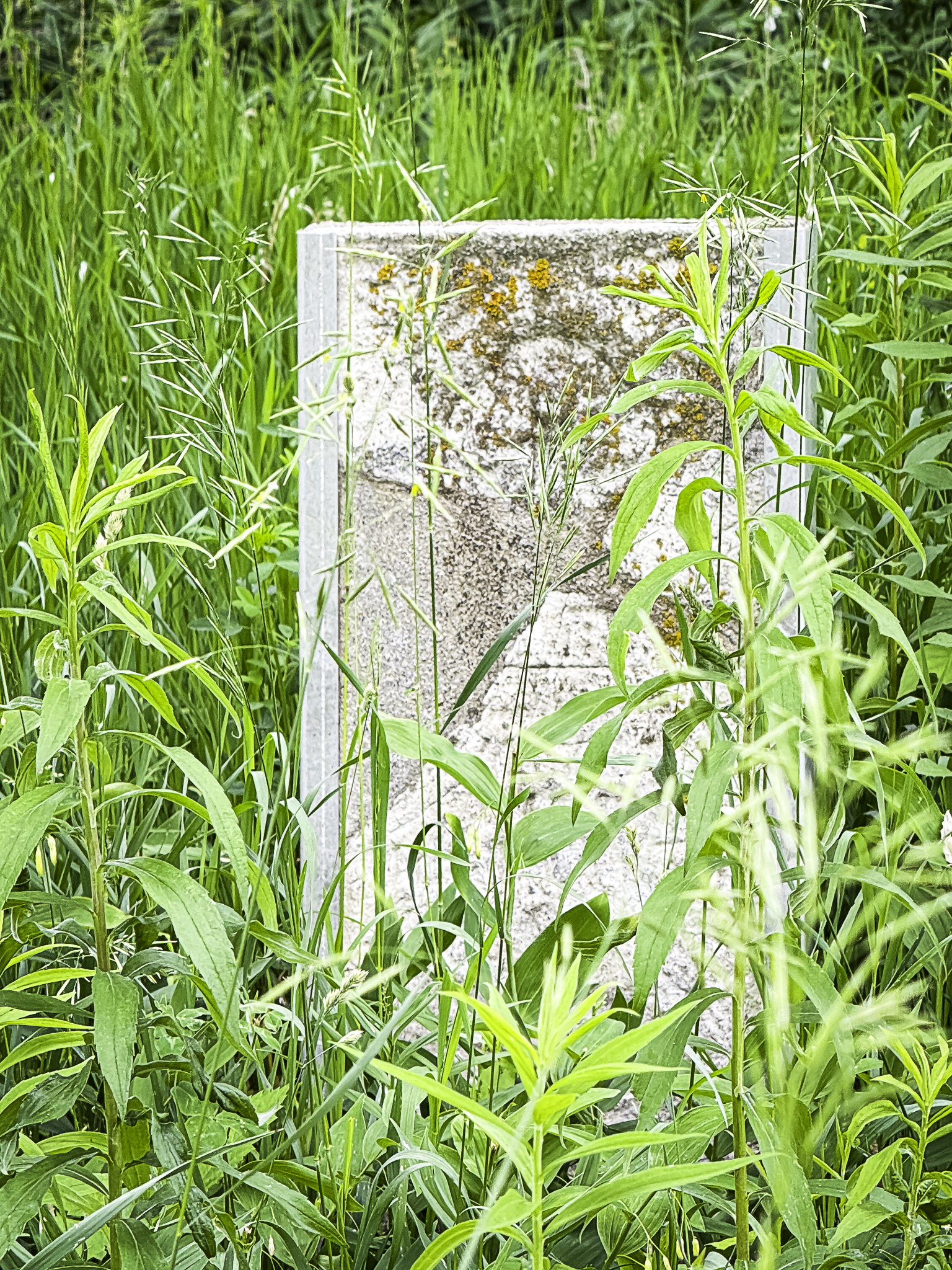
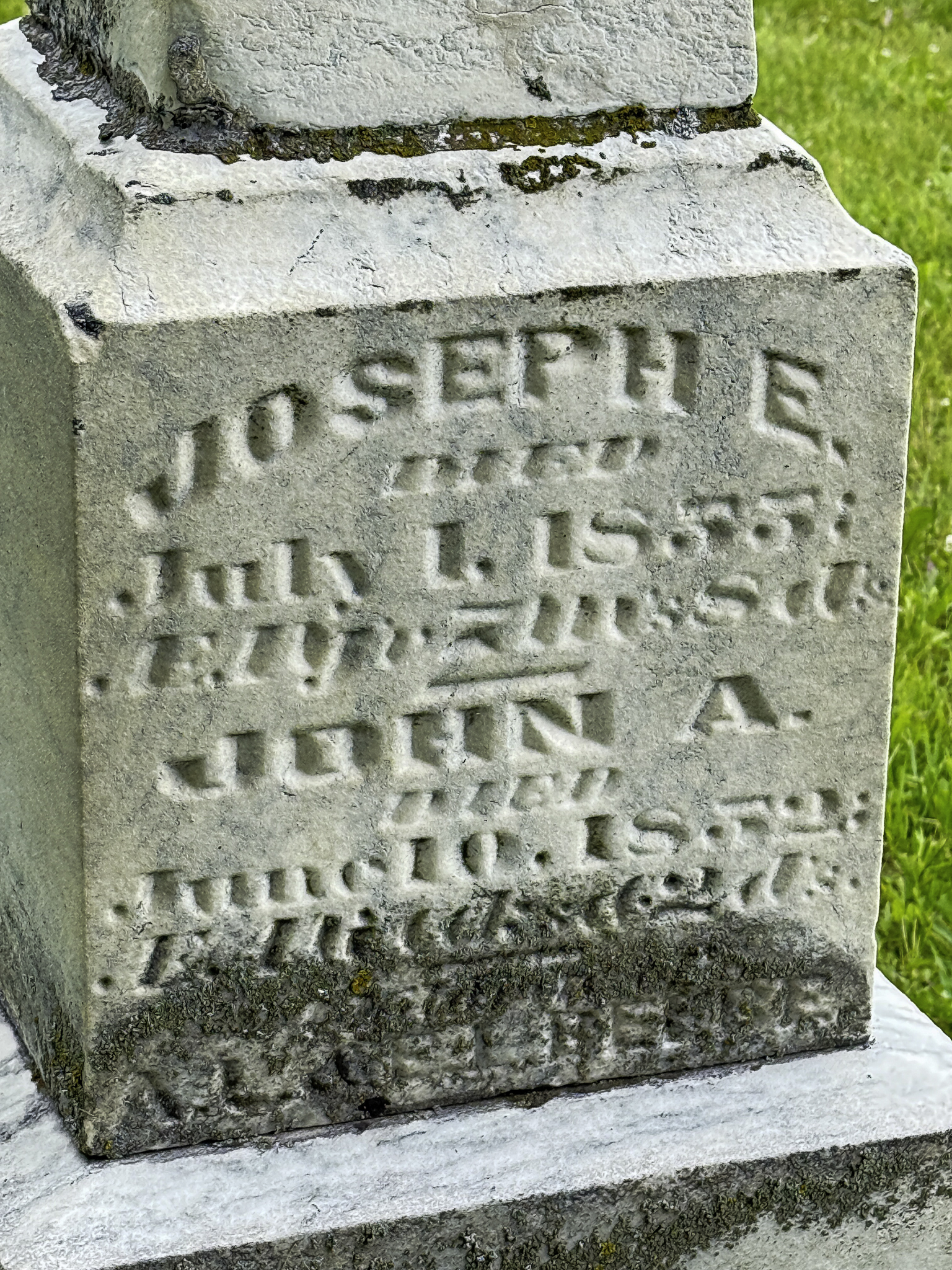
Walking around the tall grass, we saw a few weathered stones and seen names like Levi Beebe (d. 1855) and James Nesbitt (d. 1876, their marble markers mottled with lichen and moss. In some parts of the cemetery, we could only see the tops of headstones peeking through the tall grass; it was as if the land was gently tucking in memories to rest. Each chipped inscription felt like a whispered story: lives once lived, families rooted in prairie soil, and the quiet dignity of a frontier community laid to rest.
Beyond this historic section lies the newer cemetery lawns – grass clipped neatly, headstones polished, names freshly etches, and wreaths for loved ones. The juxtaposition is striking: one side a carefully tended green and the other a prairie remembrance.

 ©Beneath the Pines Photography by Nikki
Leave a comment