
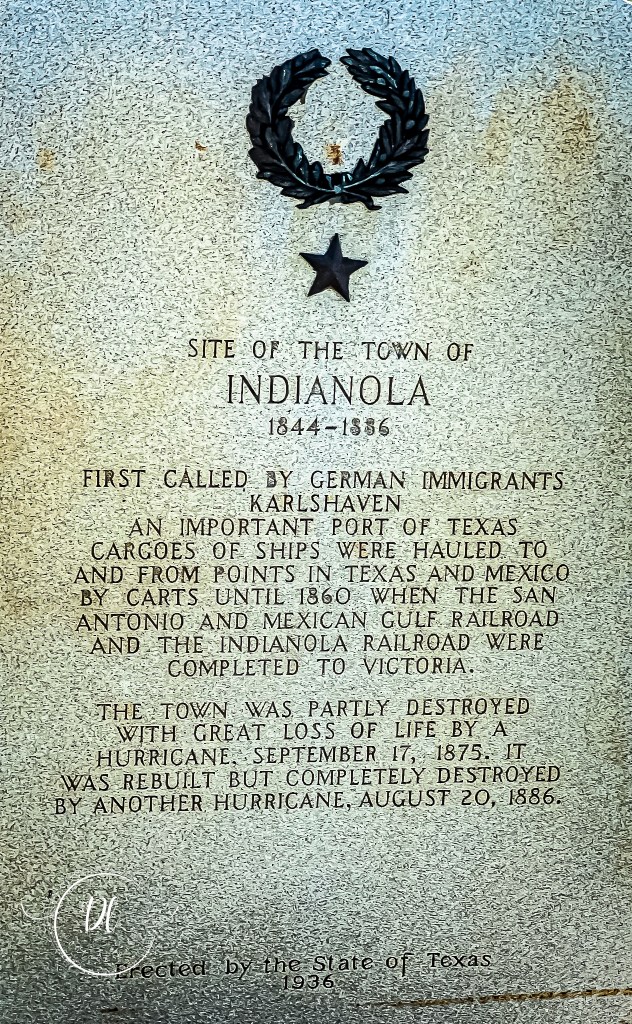
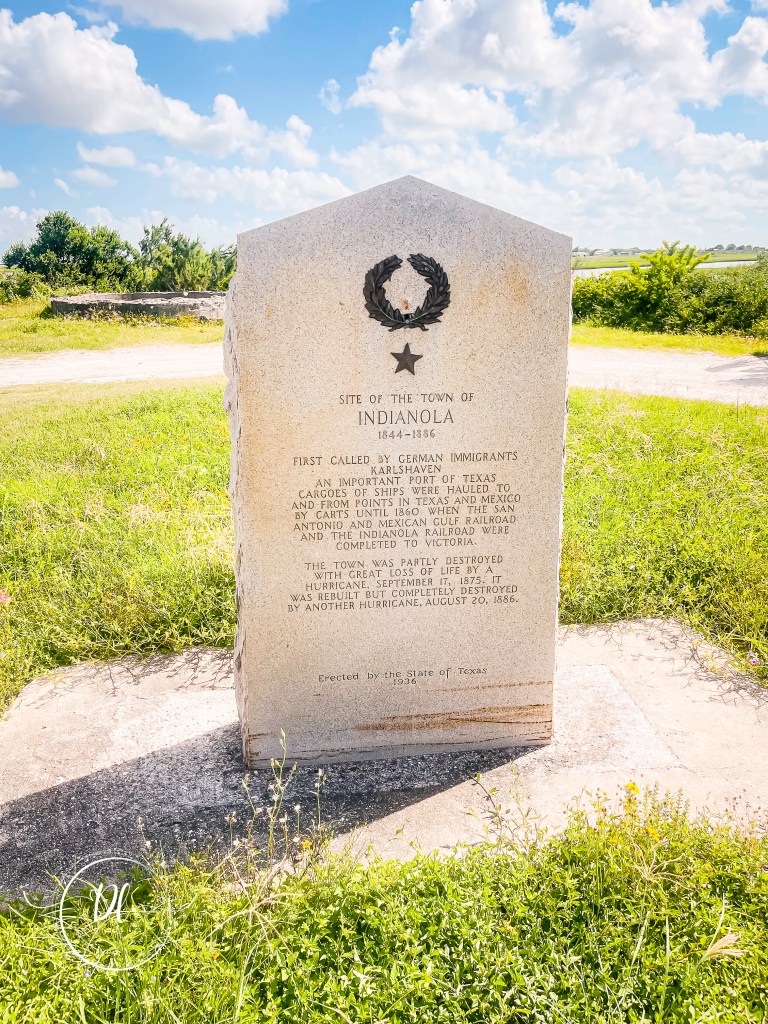
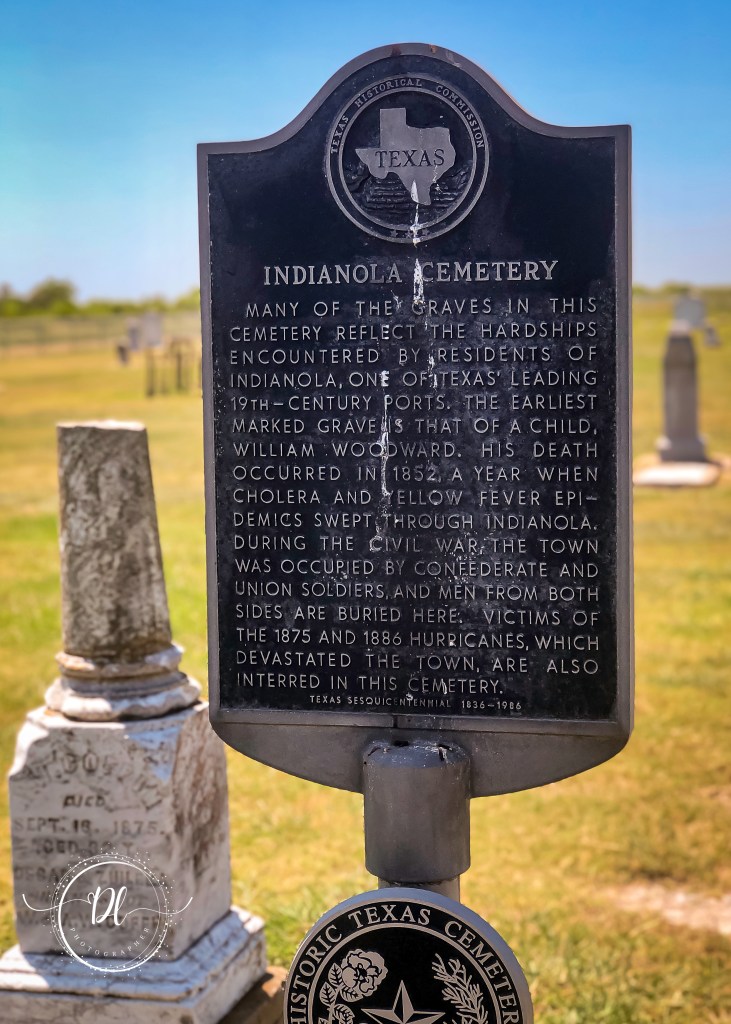
Indianola was once a thriving port city located on Matagorda Bay in Calhoun County, Texas. It played a significant role in the immigration and settlement of German and Czech immigrants in the 19th century. However, Indianola faced a series of devastating hurricanes, fires, epidemics, and other natural disasters throughout its history.
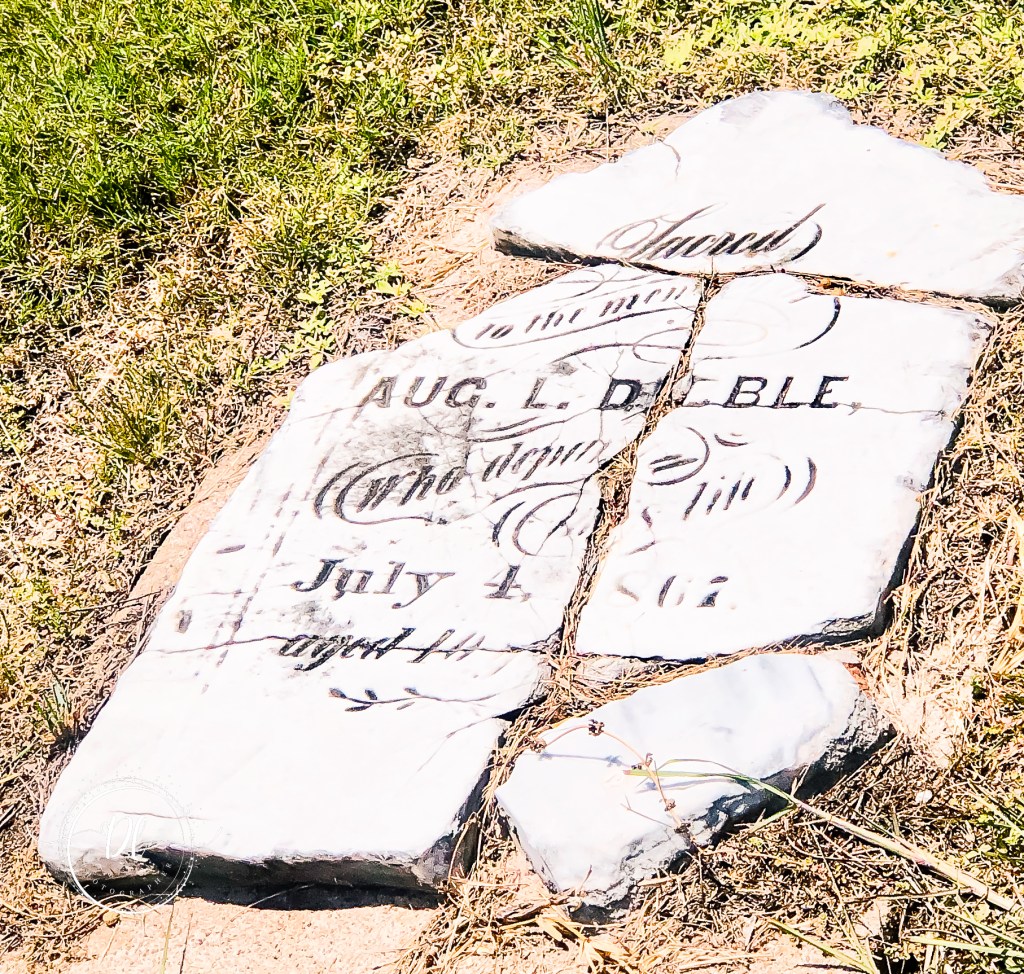
In the early part of July 1867, a ship that had traveled from Vera Cruz, Mexico to the port carried passengers that were sick with yellow fever. A guy named Hunter hauled luggage off the ship and into the Magnolia House. He eventually got sick and died. A few others also got sick and died. Some of the belongings of the sick were sold and gave out to the citizens of Indianola not realizing that yellow fever germs were still present. The caused the fever to spread. Near the end of October a small detachment of the 35th Infantry were sent to help control the situation; 29 service men got it and 14 of them died from it. This is how the Yellow Fever Epidemic started.
The most destructive hurricane occurred in 1875 and was known as the Indianola Hurricane. It caused significant amount of damage to the town, including the destruction of many buildings and infrastructures. Despite many efforts to rebuild, subsequent hurricanes in 1886 and 1889 further damaged the town. The repeated destruction and the difficulty of protecting the low-lying coastal settlement from future storms led to the decline of Indianola. Eventually, the residents moved away and the town’s population dwindled. The final blow came in 1886 when a hurricane destroyed most of the remaining structures, prompting the decision to abandon the town.
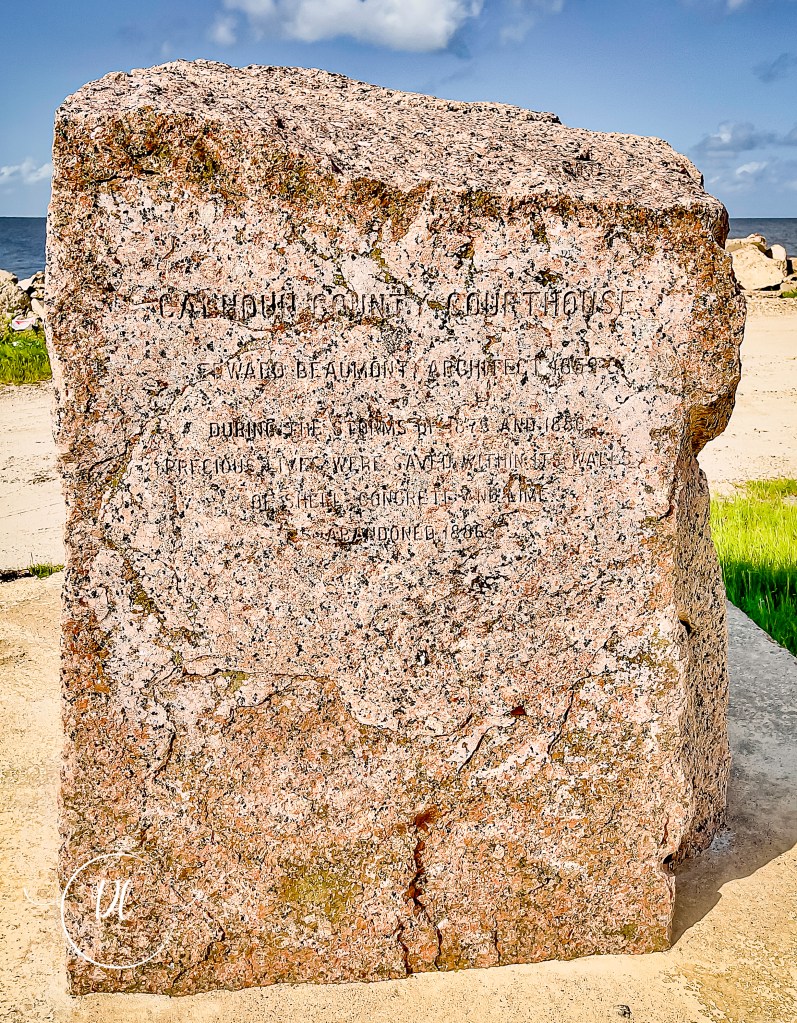
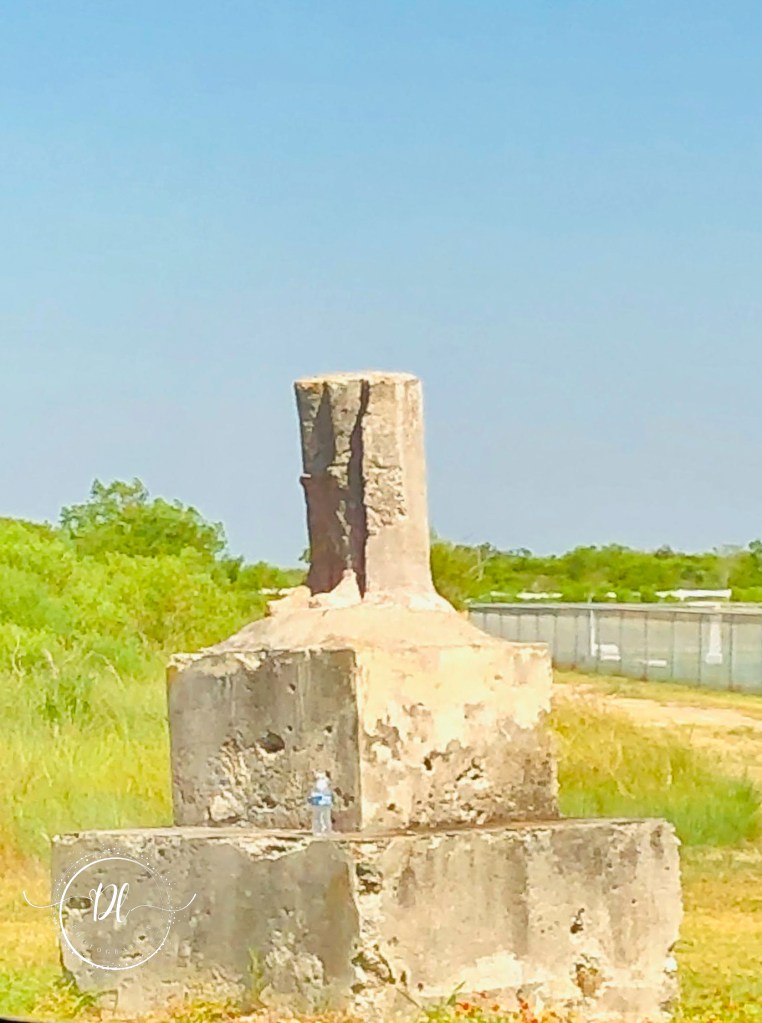
Today, you can take a walk around Indianola and see signs of its bustling past. You can admire a towering granite monument dedicated to La Salle, put your hand on a huge chunk of granite that marks the location of a long-gone courthouse, see a metal cutout representing the military camels that came through the port, visit a cemetery where early residents are buried, or peer into an old cistern that provided water to the residents of Karlshafen. Today, Indianola is considered a ghost town and only a few historical markers and a cemetery remain as reminders of the town’s past.



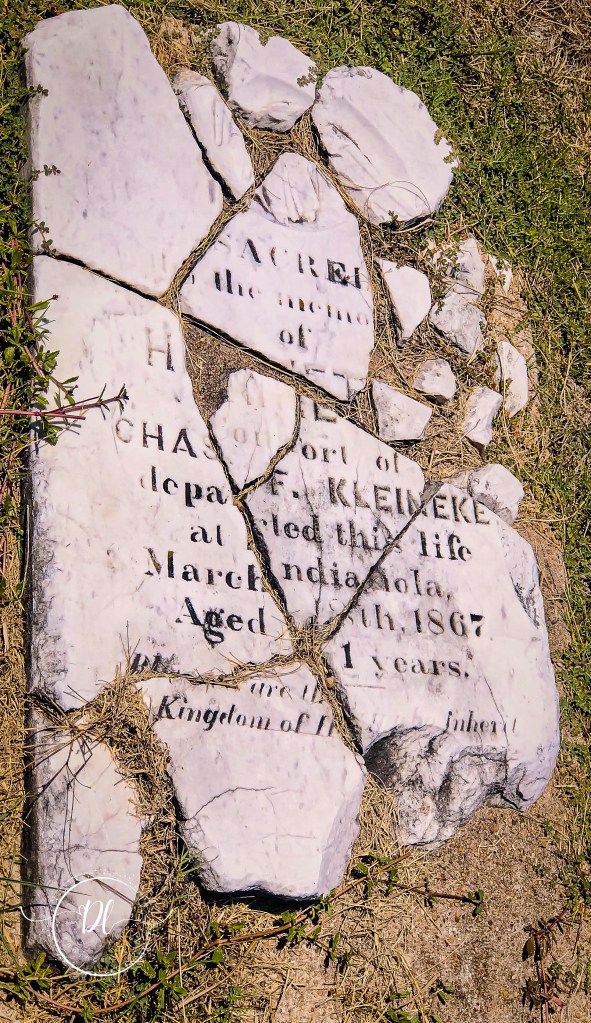

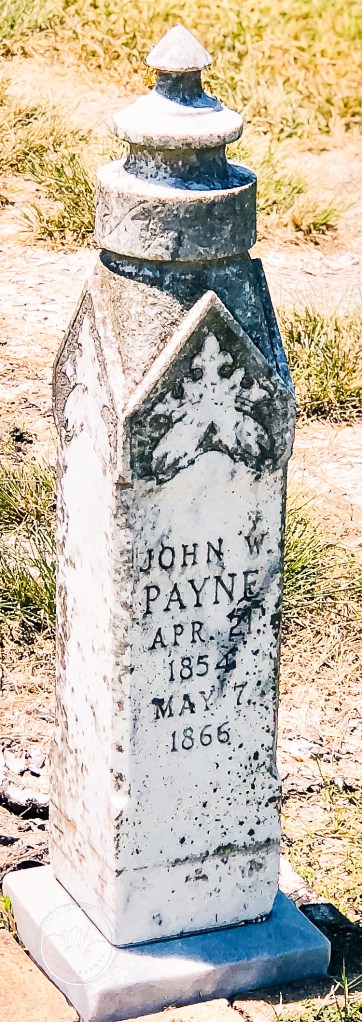
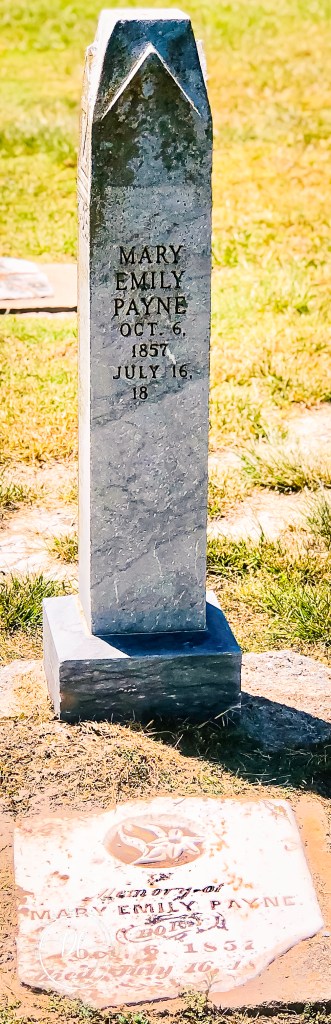
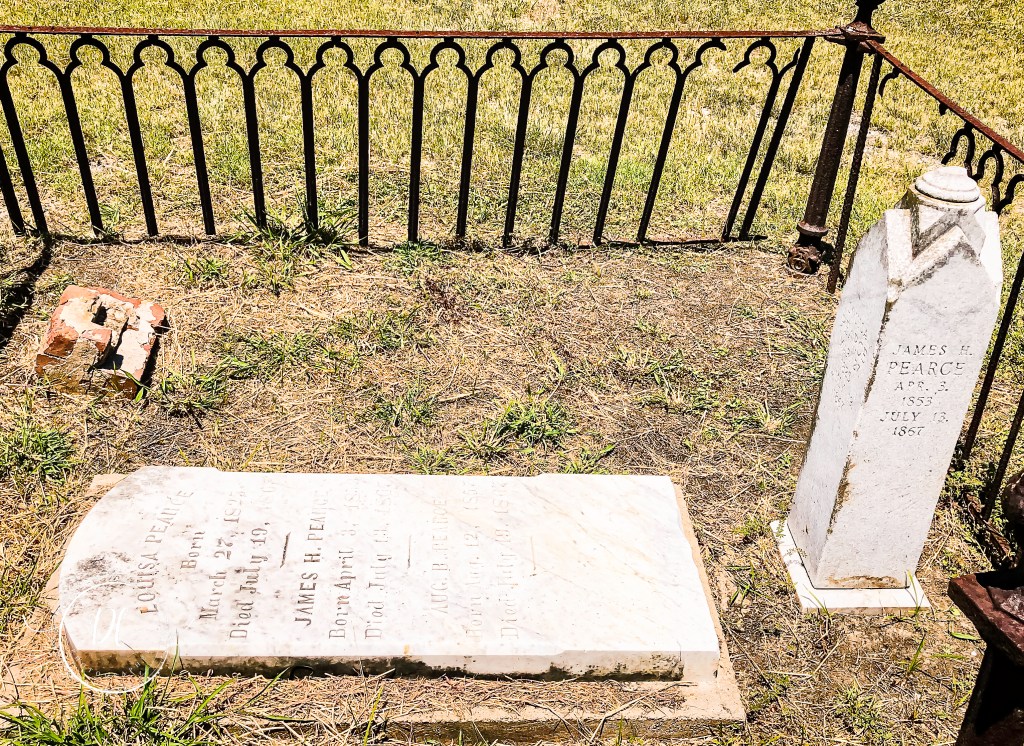
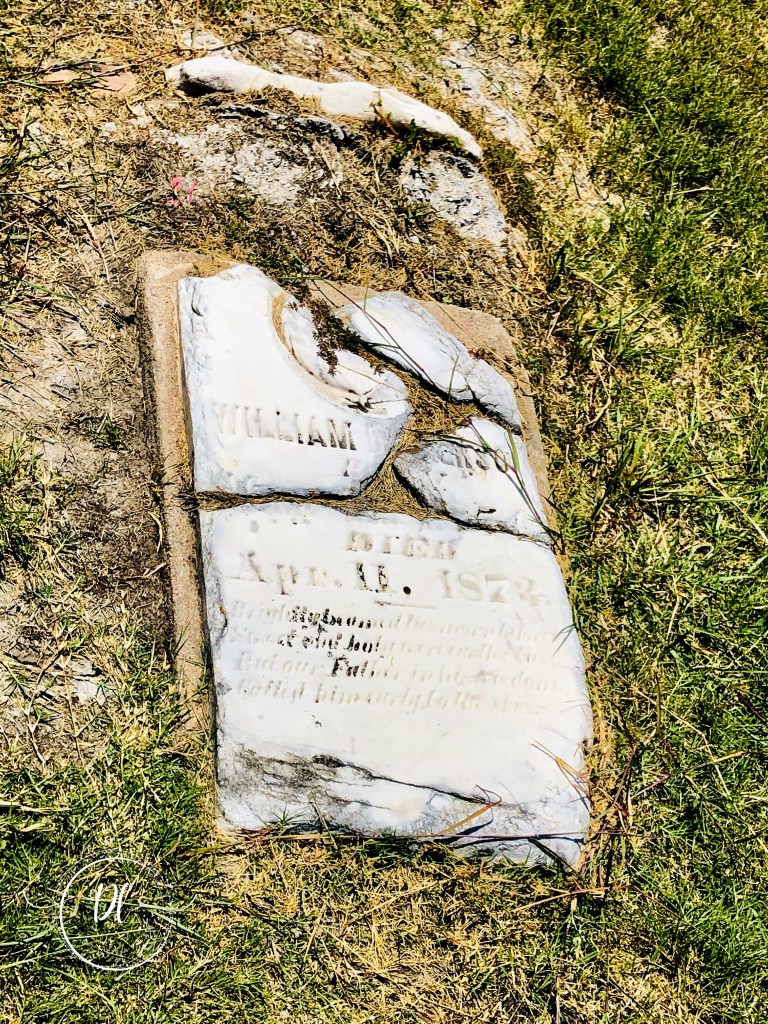
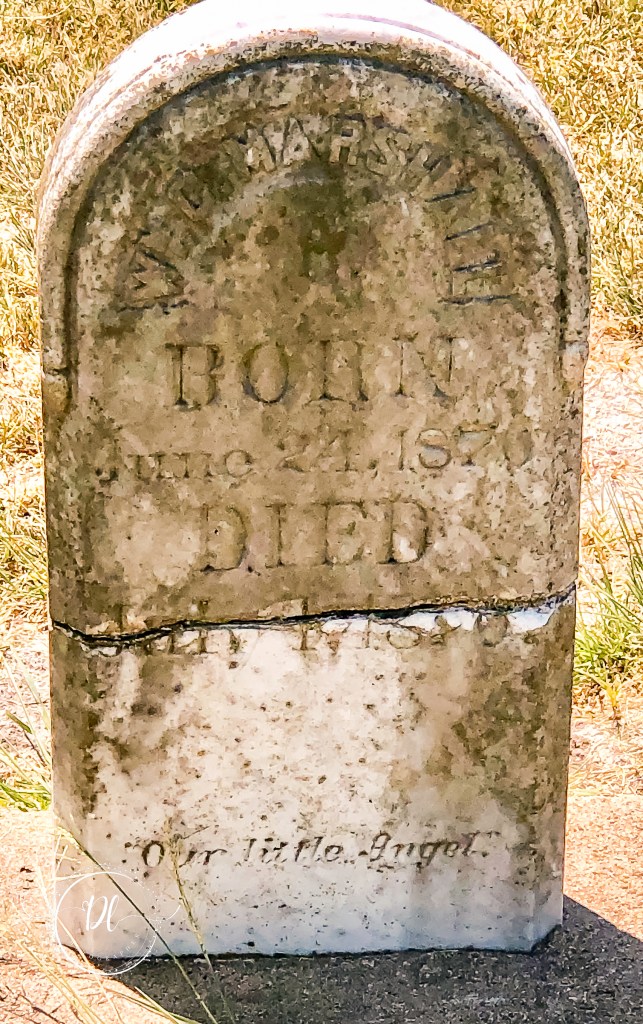
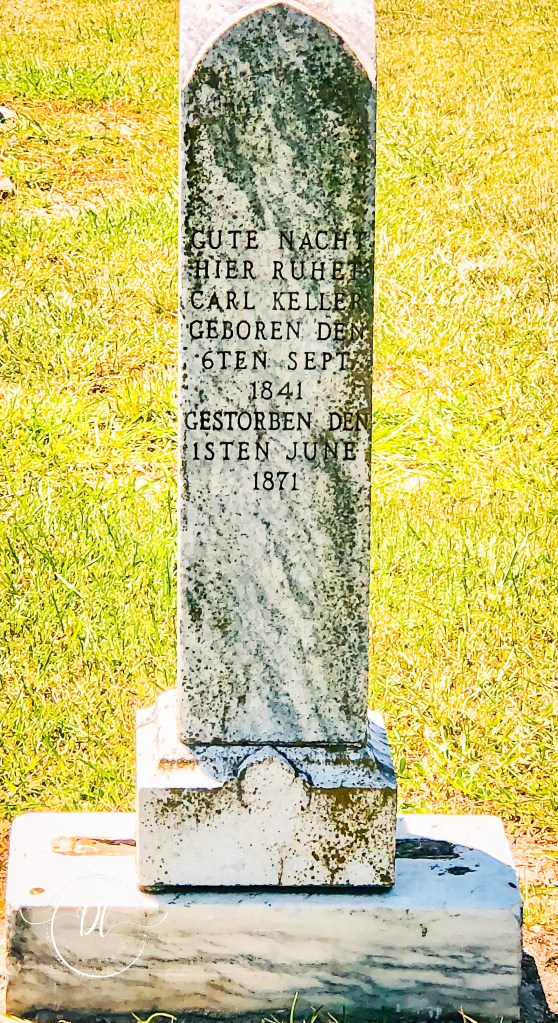
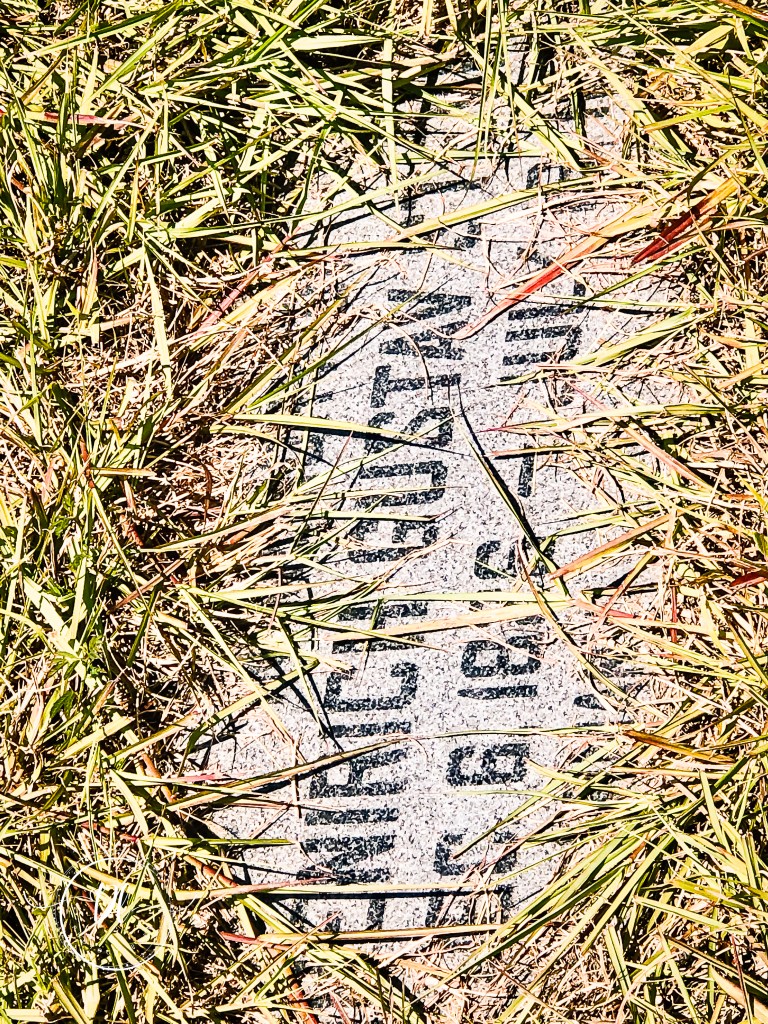

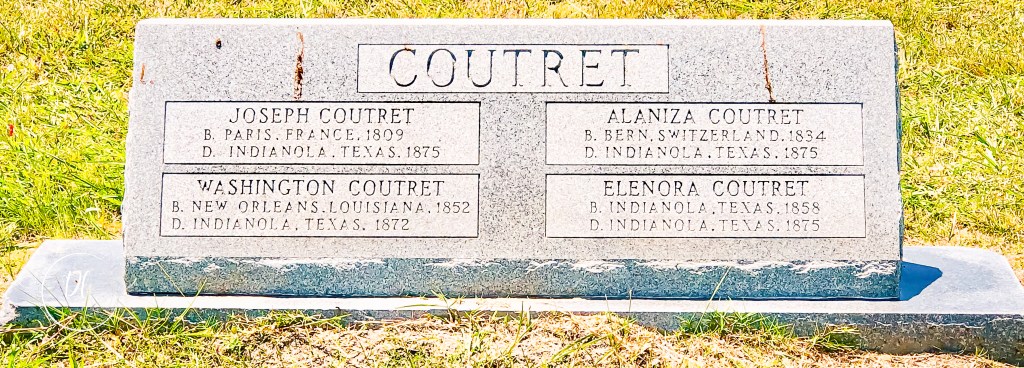

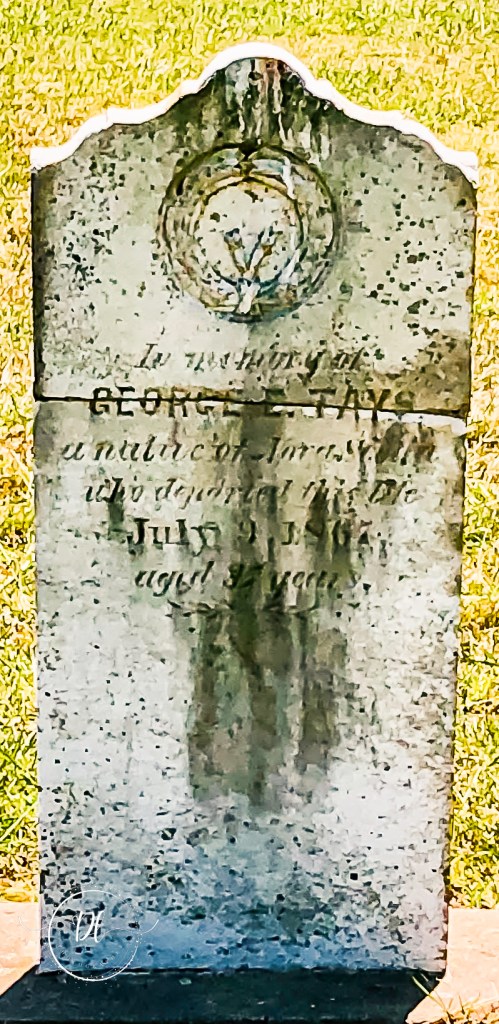
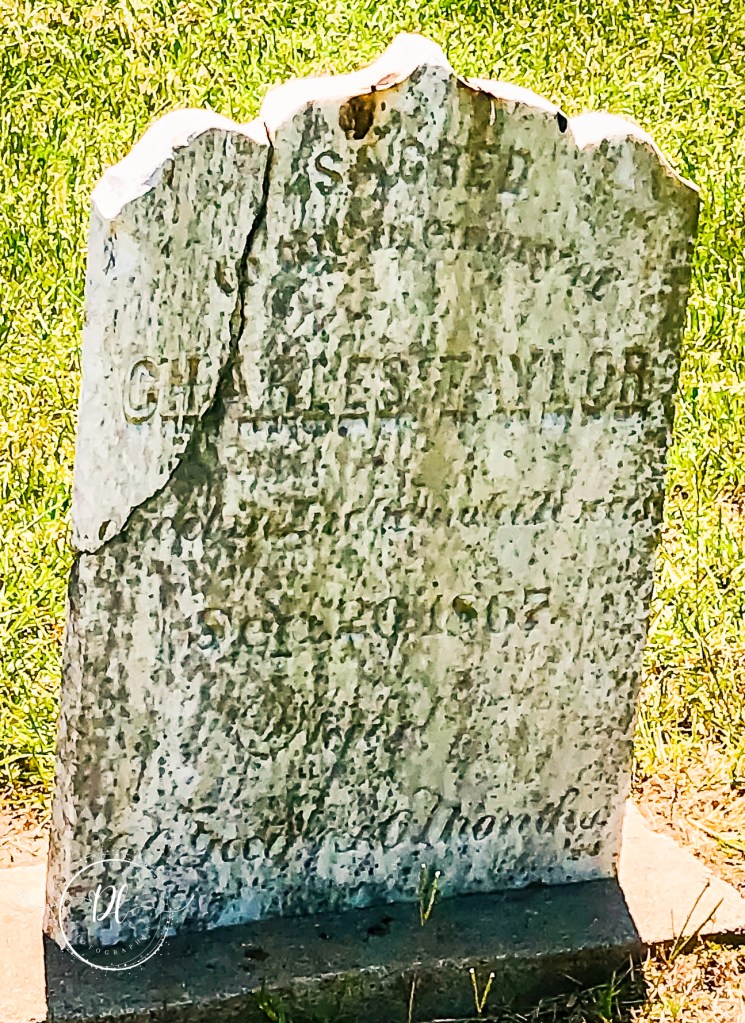
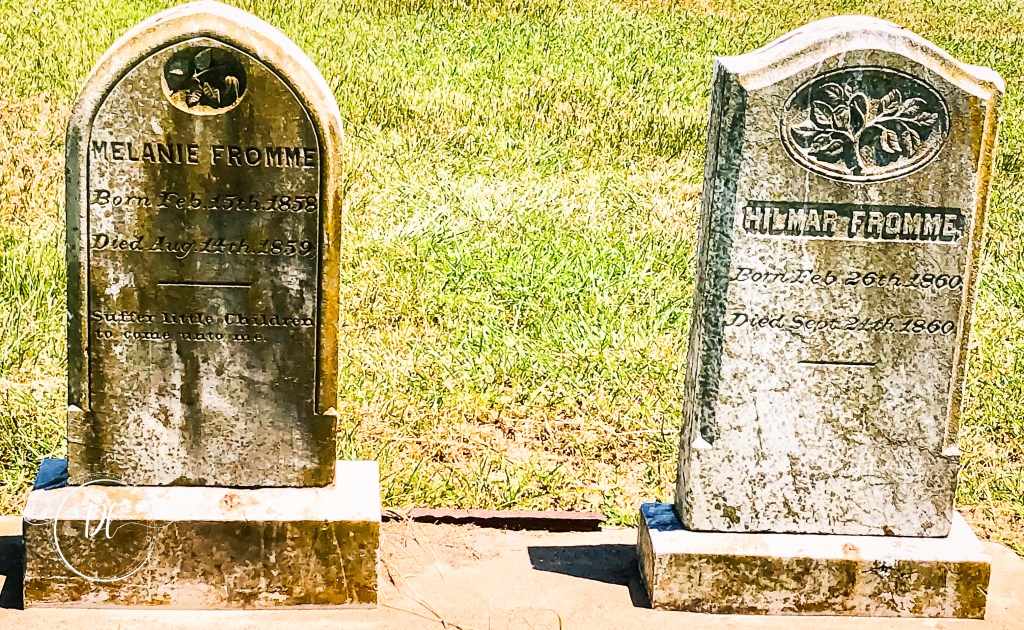

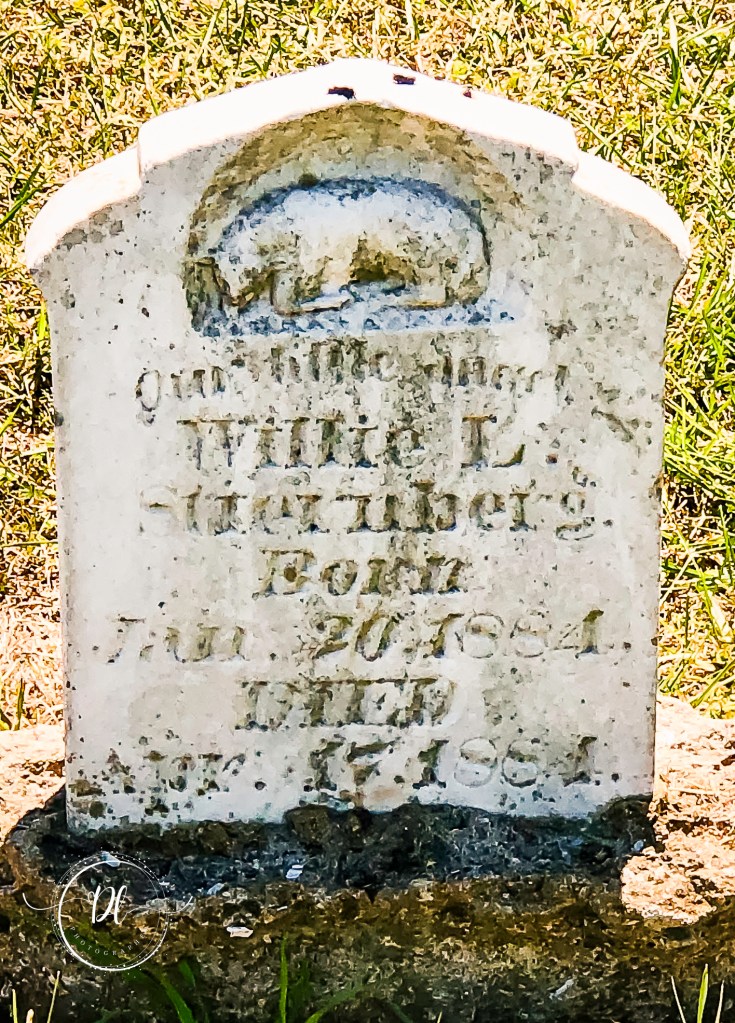
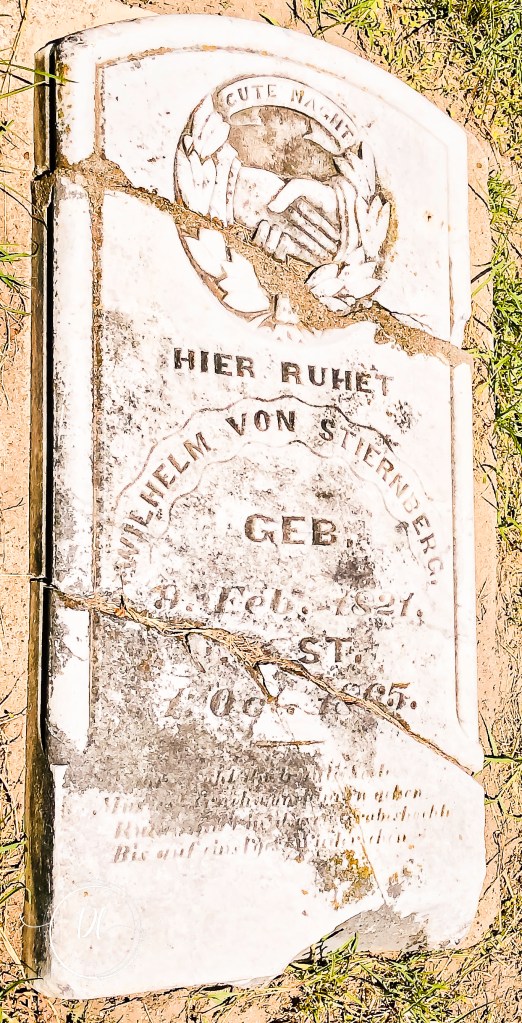

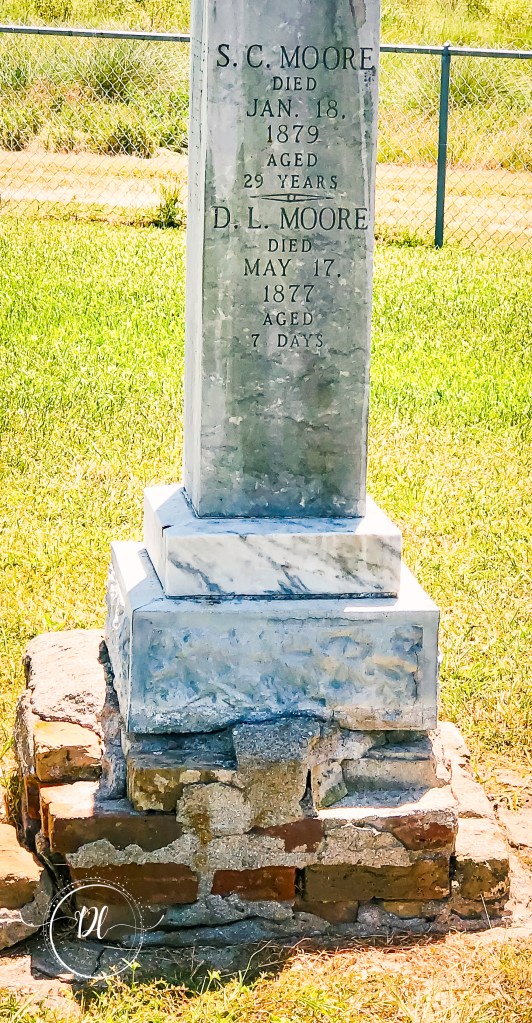
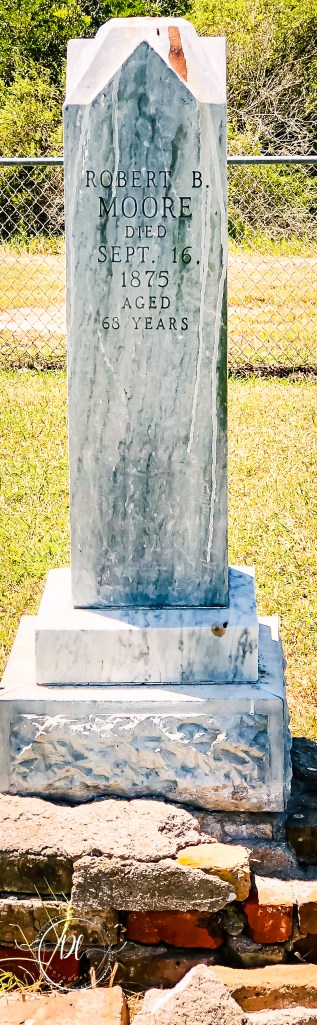
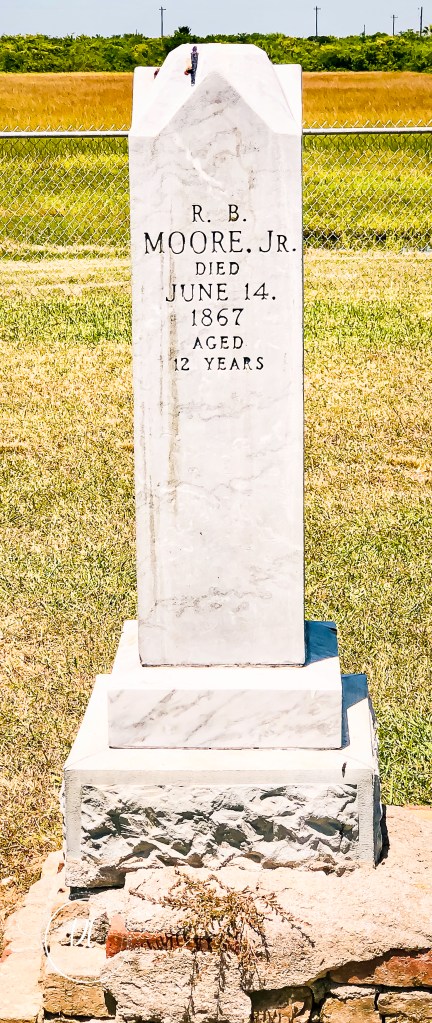
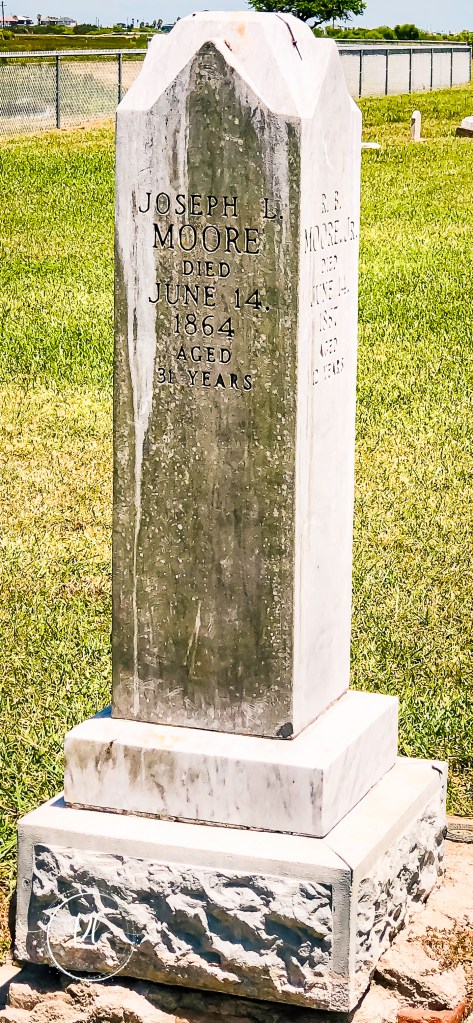

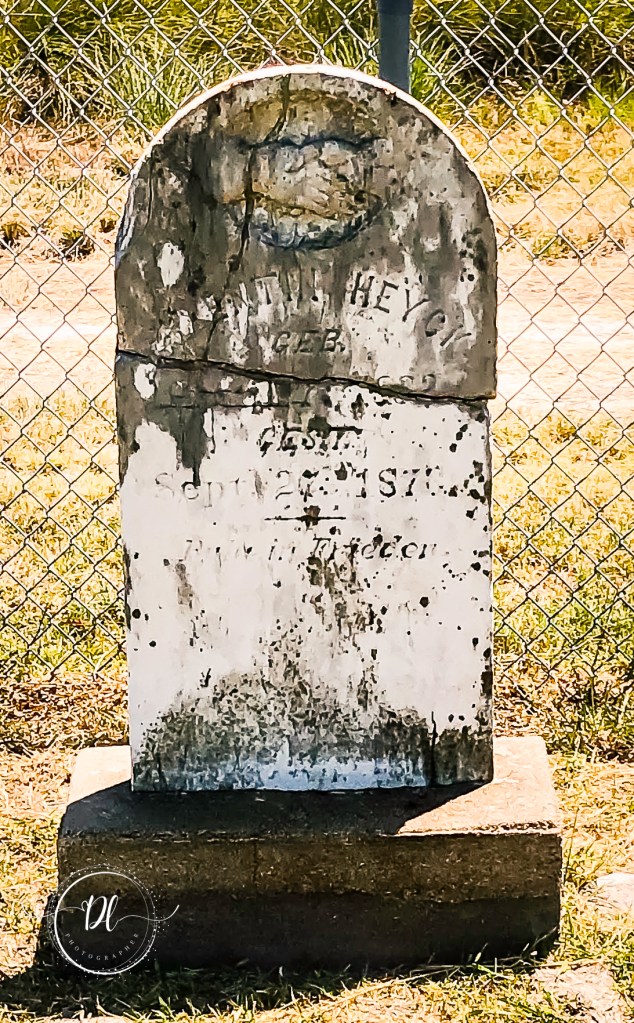
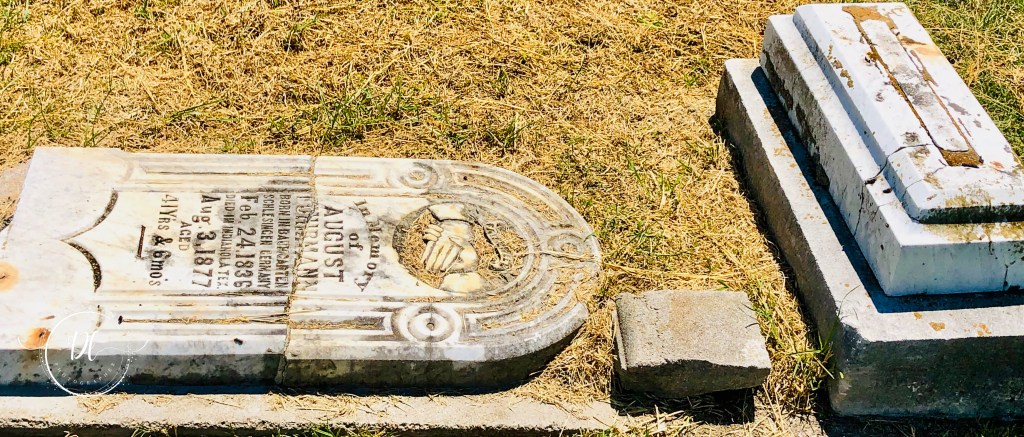
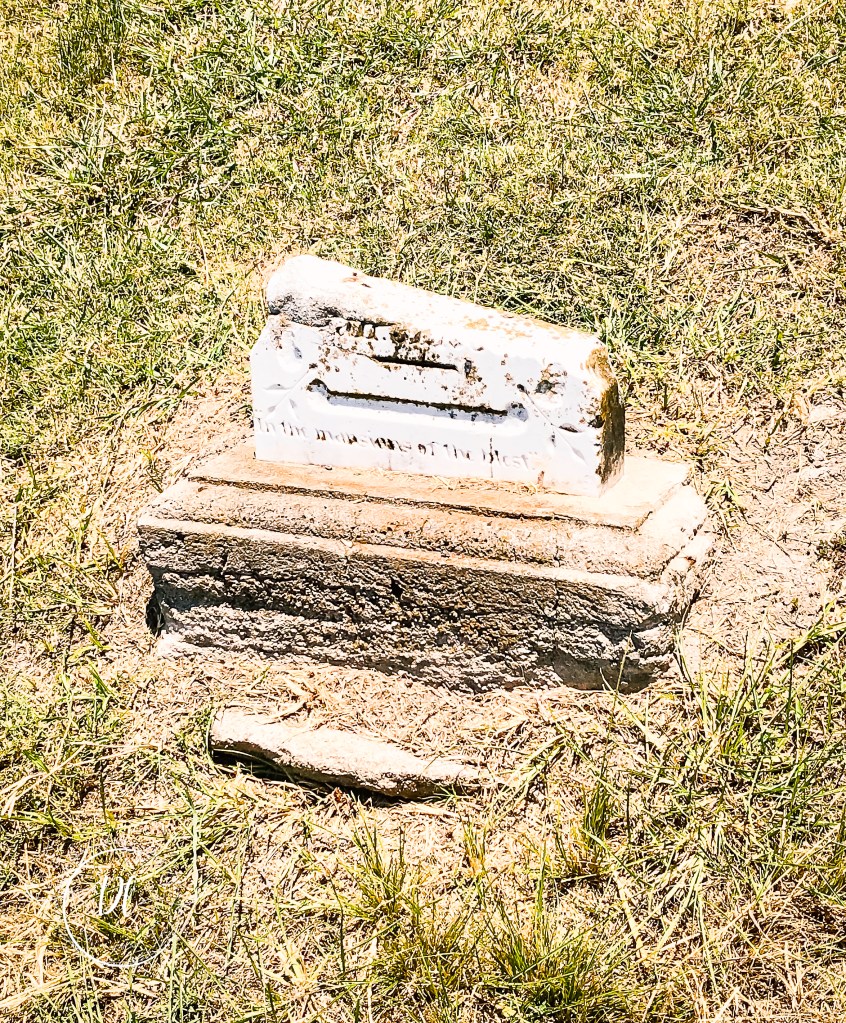

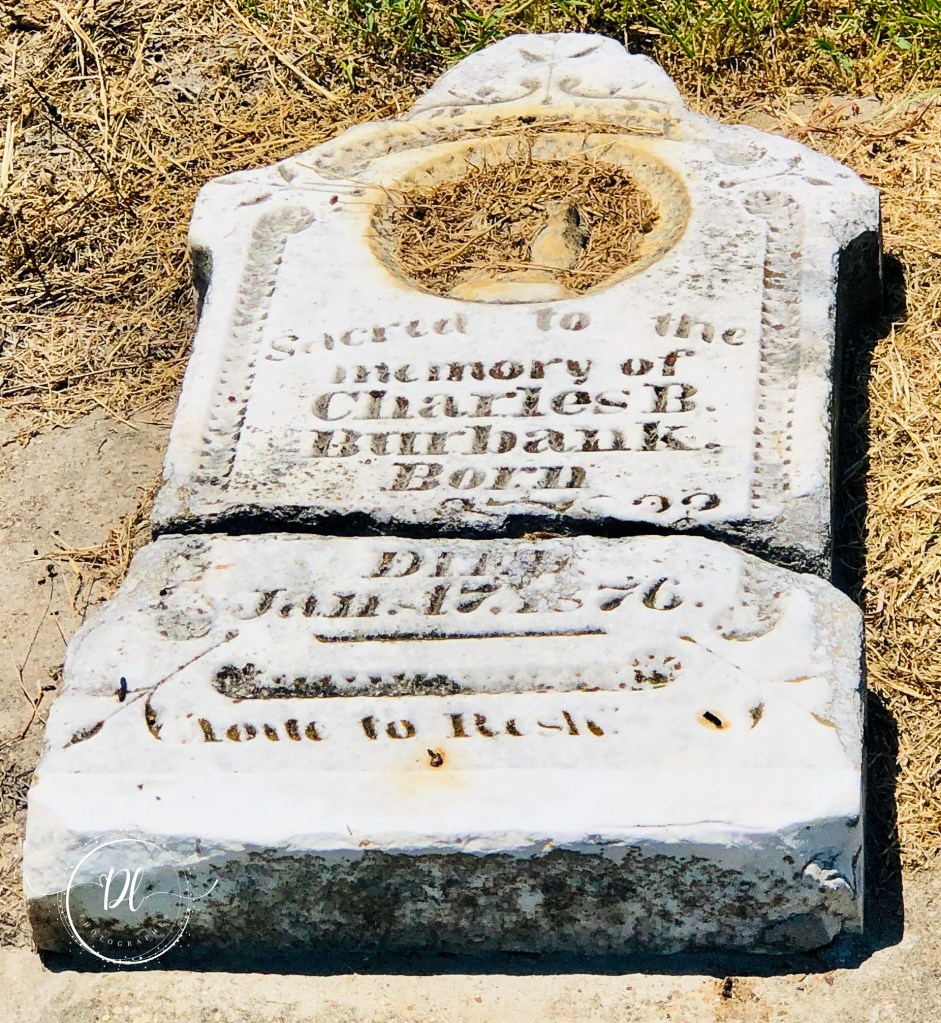
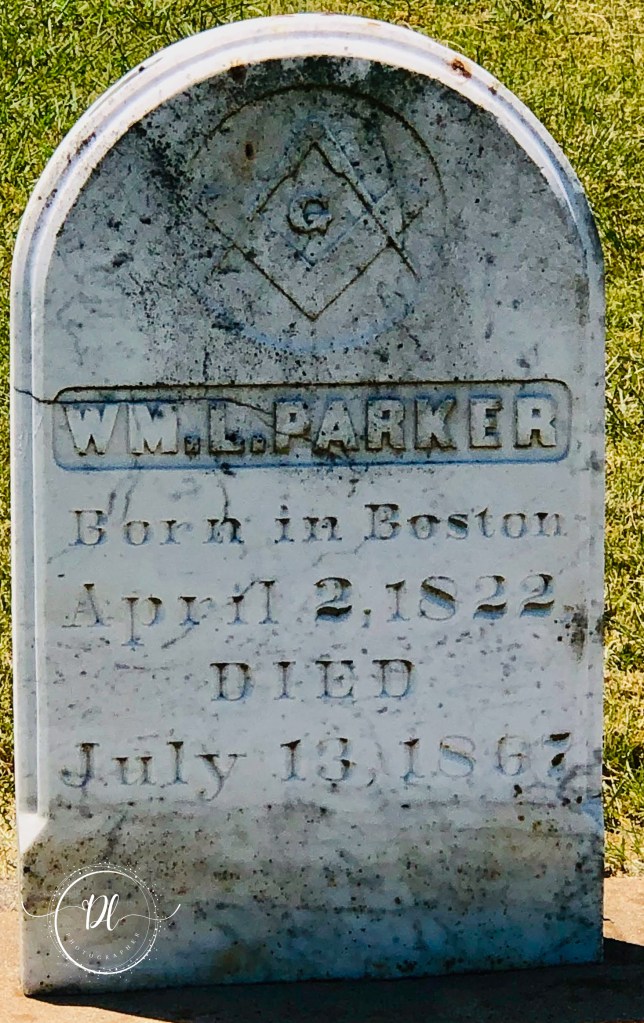
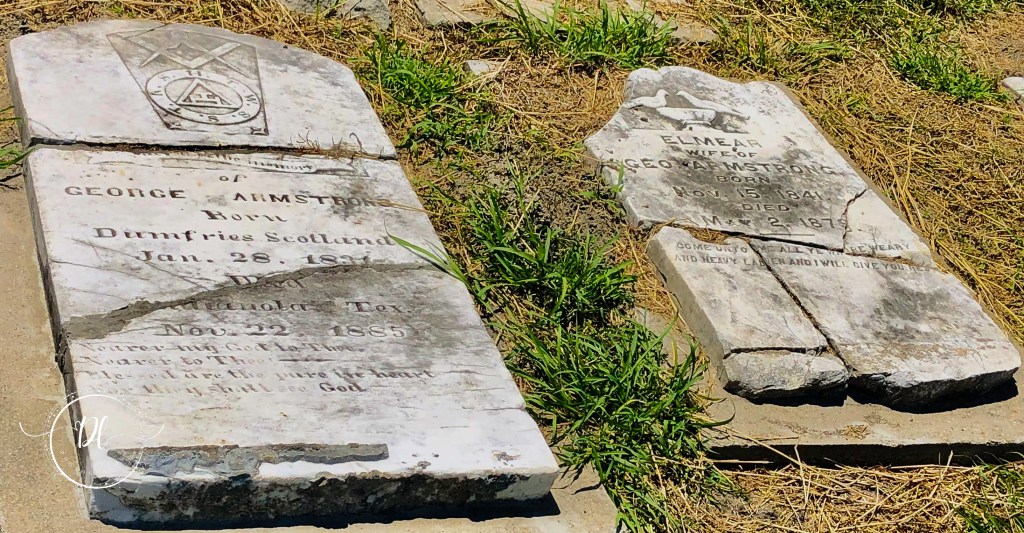

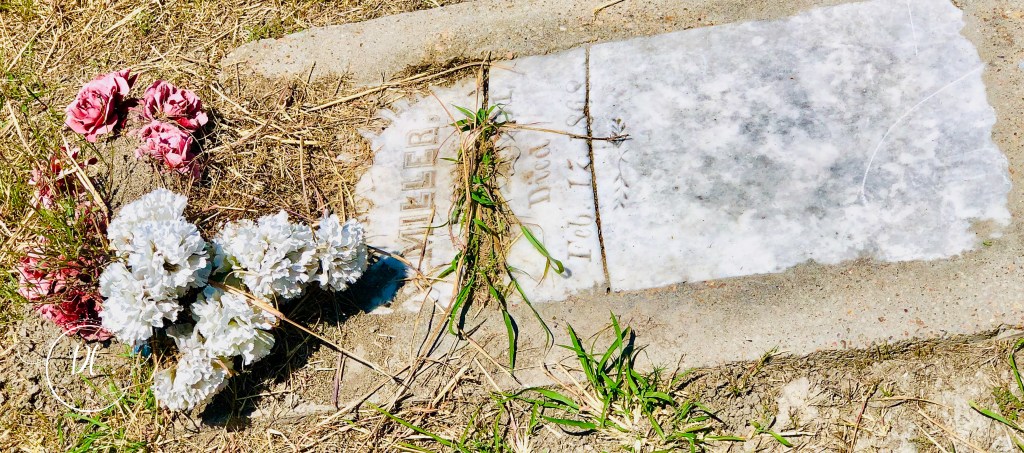
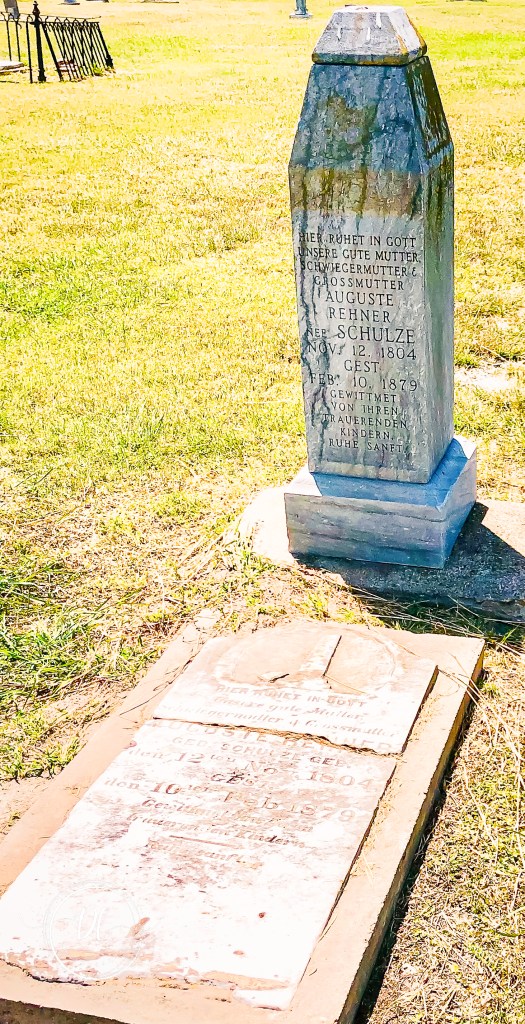


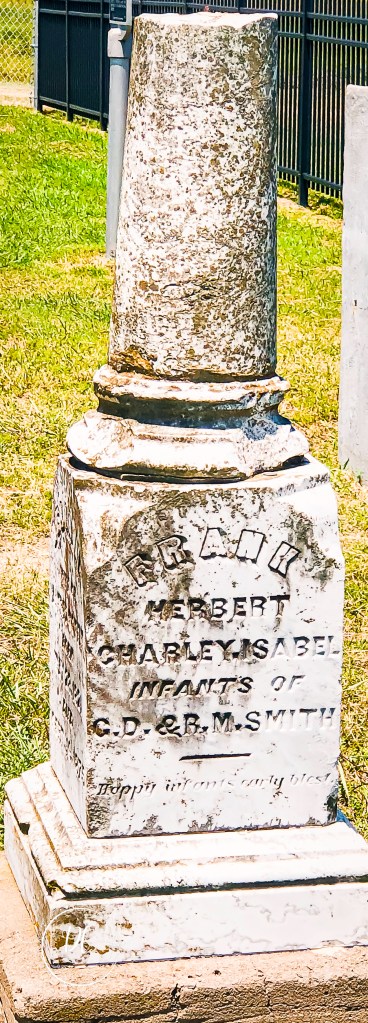
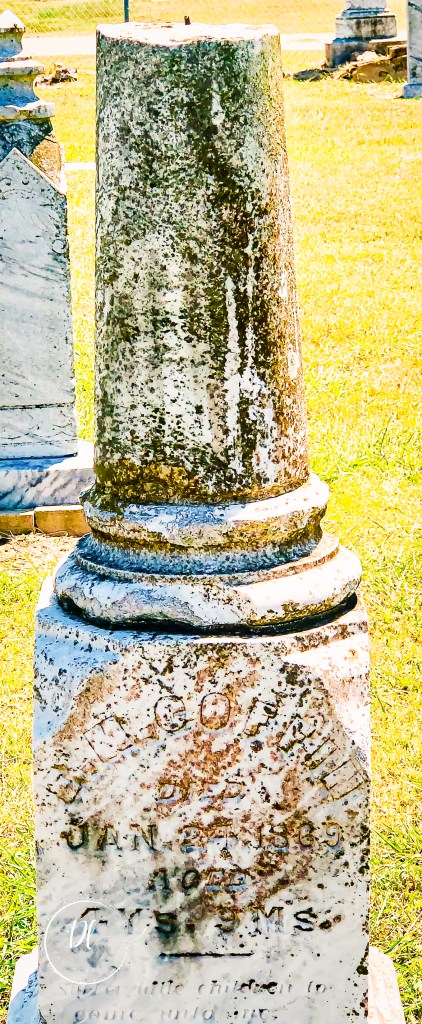
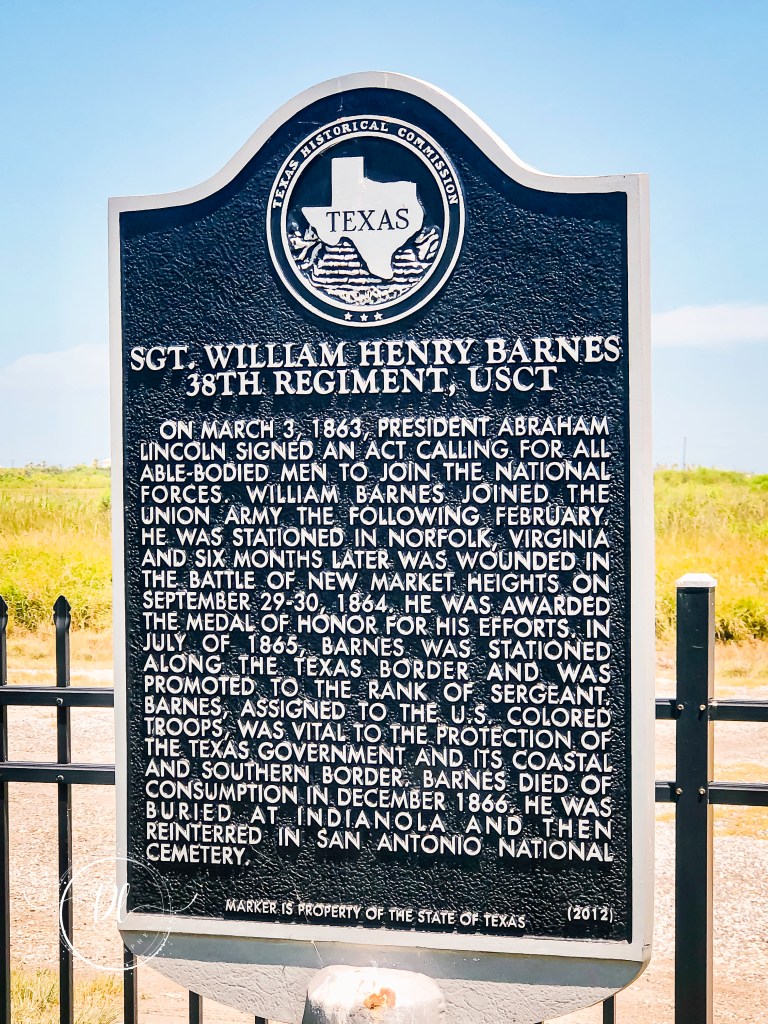
People that have been mentioned on the tombstones:
- A.W. Coffin – died 9/18/1875 at 32 years old with Oscar and Zuileka infants of A.W. and W. Coffin
- August L. D?ble – died 7/4/1867
- George Seeligson
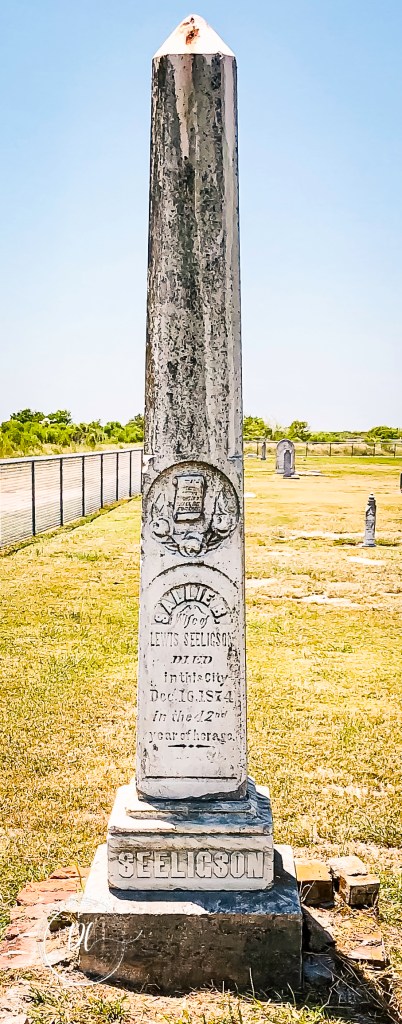
- Sallie B. Seeligson, wife of Lewis Seeligson – died 12/16/1874
- Kate Seeligson, only daughter of Henry Seeligson – died at 18 months
- Henrietta Kleineke, wife of Chas F. Kleineke – died 3/18/1867
- John W. Payne – died 5/7/1866
- Mary Emily Payne – died 7/16/18??
- James H. Pearce – died 7/13/1867
- W.C. Marshall Bohn – died 7/4/1876
- Gute Nach Hier Ruhet Carl Keller – died 6/1/1874
- Enrich Gutav – died 7/4/1876
- Lit Jacobs – died 6/1/1874
- Joseph Coutret – died 1875
- Washington Coutret – died 1872
- Alaniza Coutret – died 1875
- Elenora Coutret – died 1875
- Louise Runge – died 9/20/1860
- George Tays – died 7/9/1867
- Charles Taylor
- Melanie Frommes – died 7/14/1859
- Hilmar Frommes – died 9/24/1860
- Willie L. Sternberg – died 4/17th
- Wilhelm von Sternberg – died 10/1865
- Elizabeth Ann Dale – died 5/22/1862
- S.C. Moore – died 1/18/1879
- D.L. Moore – died 5/17/1877
- Robert B. Moore – died 9/16/1875
- Robert B. Moore Jr. – died 6/14/1867
- Joseph L. Moore – died 6/14/1867
- August Durham – died 8/3/1877
- Adam Murdock – died 10/28/1869
- Charles B. Burbank – died 1/17/1876
- WML Parker – died 7/13/1867
- George Armstrong – died 11/22/1885
- Elmear Armstrong – died 5/2/1878
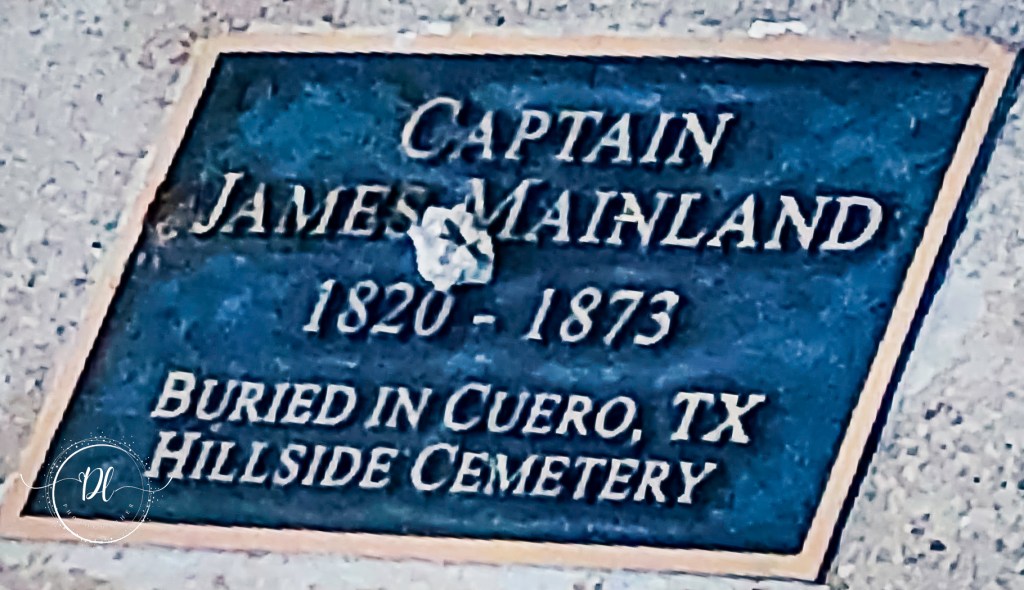
- Captain James Mainland – buried in Cuero, Texas at Hillside Cemetery – died 1873
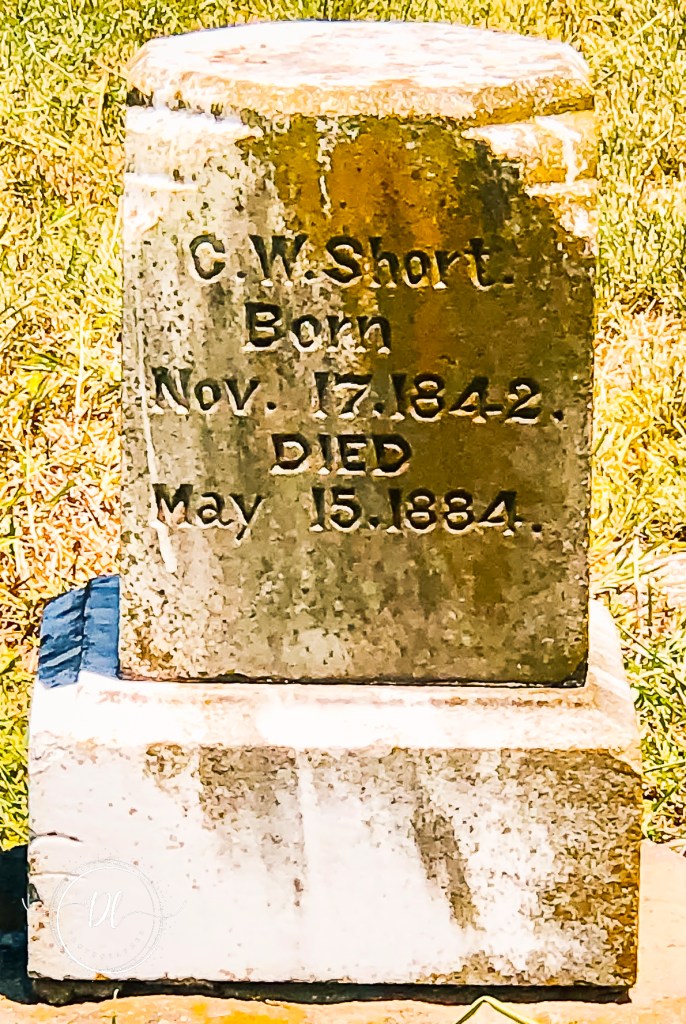
- C.W. Short – died 5/15/1884
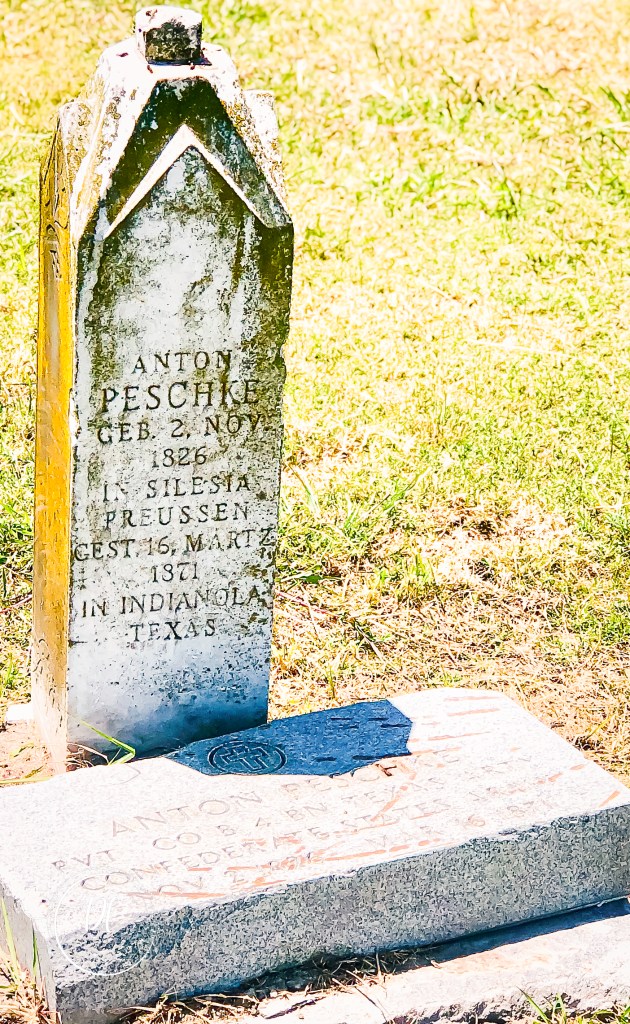
- Anton Peschke – died 3/16/1871
- August Rehner Nee Schulze – died 2/10/1879
- Bennie Hunt – died 11/22/1868
- County Judge James McCoppin – died 7/20/1883
- Frank, Charley, and Isabel Herbert
- Sgt. William Henry Barnes of the 38th Regiment, USCT – he was buried in this cemetery, but he was later moved to San Antonio National Cemetery.

 ©Beneath the Pines Photography by Nikki
Leave a comment